The 500 BC Strongman Who'd Break Every NFL Combine Record
The Original Combine Warrior
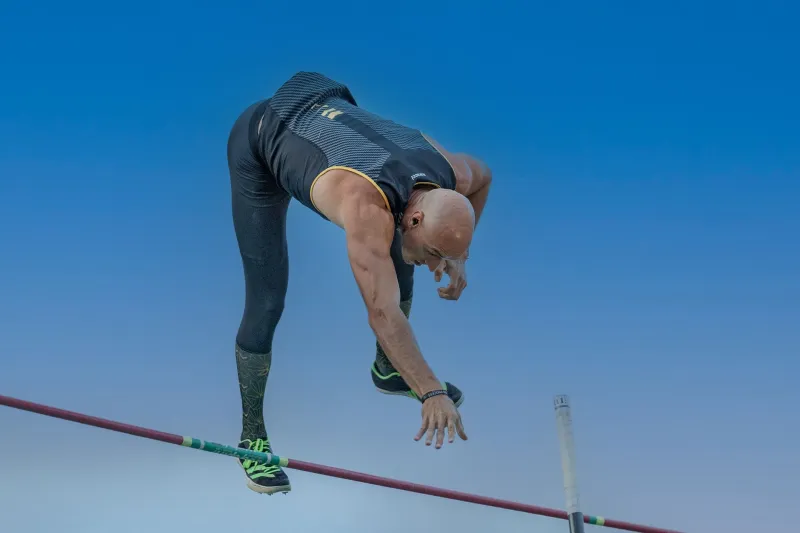
Every February, the NFL's best college prospects gather in Indianapolis to prove their worth through a series of physical tests that determine their professional futures. They lift weights, run sprints, and demonstrate agility while scouts measure every movement. But 2,500 years ago, in the ancient Greek city of Croton, one man was already dominating every category that modern football evaluates—without ever seeing a football.
Milo of Croton wasn't just strong; he was methodically, scientifically strong in ways that would revolutionize how we think about athletic development. Between 540 and 516 BC, this legendary wrestler won six Olympic victories and dominated every major athletic competition of his era. More importantly, his approach to training accidentally created the template for building the kind of athlete who thrives in today's NFL.
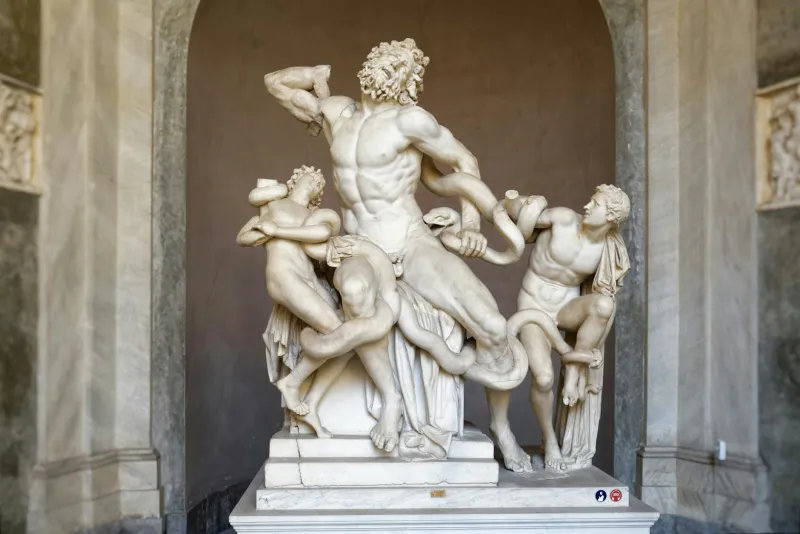
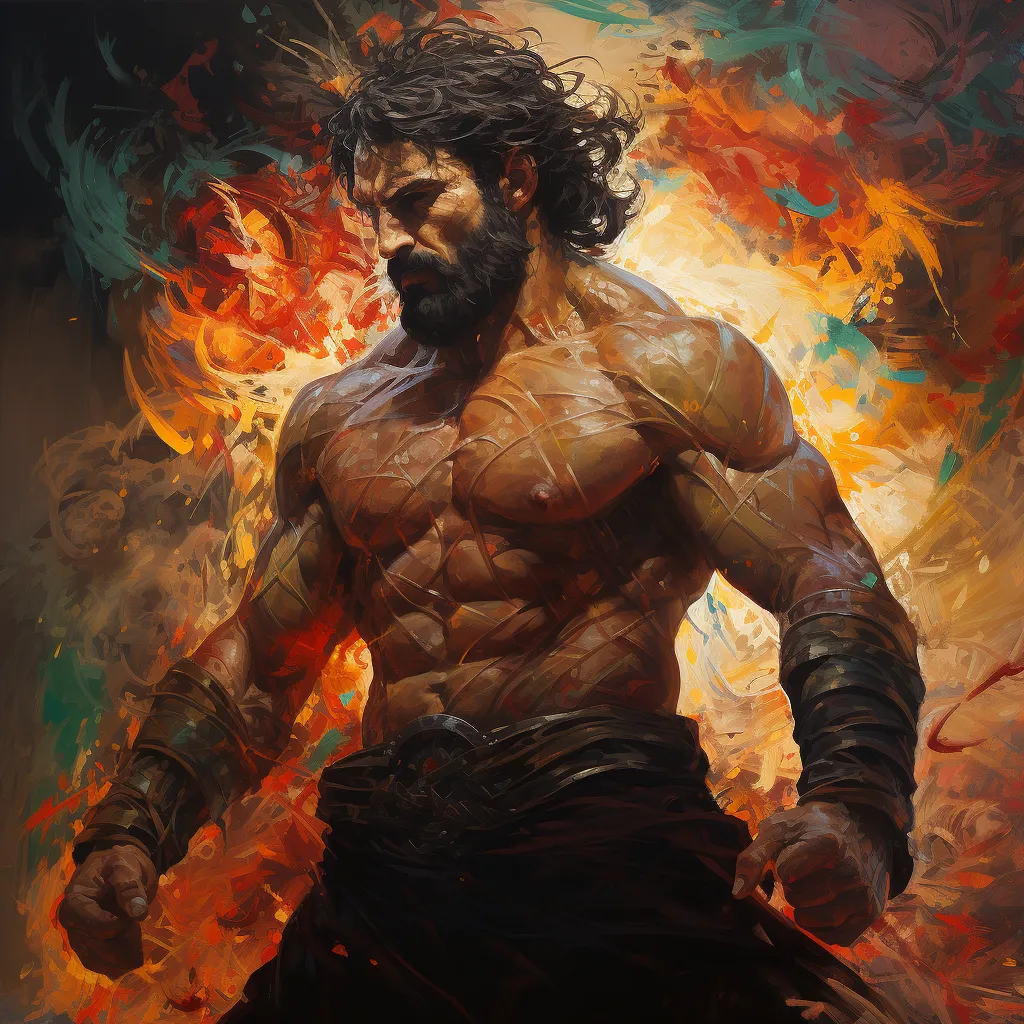 Photo: Milo of Croton, via spiralworlds.com
Progressive Overload Before Science Had a Name
The most famous story about Milo involves a calf. As legend tells it, Milo began carrying a newborn calf on his shoulders every day. As the animal grew, so did the weight Milo carried, until he was routinely hoisting a full-grown bull. Modern strength coaches call this "progressive overload"—gradually increasing resistance to build muscle and power over time.
What sounds like ancient mythology actually describes the fundamental principle behind every successful strength program used by NFL players today. Tom Brady's TB12 method, Aaron Donald's off-season regimen, and the systematic weight progression used by every professional athlete all trace back to this simple concept that Milo pioneered.
 Photo: Tom Brady, via inthegolfbag.com
Consider what NFL scouts look for in the bench press test: not just raw strength, but the kind of functional power that translates to pushing opponents around on the field. Ancient accounts describe Milo's ability to carry enormous weights over significant distances—exactly the kind of strength-endurance combination that separates elite linemen from college players.
The Numbers Game
While we can't put Milo through a modern combine, historical accounts of his feats suggest he'd dominate several key measurements. Ancient sources claim he could break a band tied around his forehead simply by holding his breath and swelling his veins—a demonstration of the kind of explosive vascular power that correlates with modern measures of athletic performance.
The 40-yard dash measures straight-line speed, but Milo's wrestling success required the kind of multi-directional agility and reaction time that scouts value even more. Wrestling at the highest level demands the ability to change direction instantly, maintain balance under pressure, and generate power from awkward positions—skills that translate directly to modern football.
His documented ability to stand on a greased discus while people tried to push him off demonstrates the kind of core stability and balance that modern NFL players spend thousands of dollars and countless hours trying to develop. Today's elite athletes use balance boards, stability balls, and complex training systems to achieve what Milo apparently mastered through pure competitive necessity.
The Mental Edge
Beyond physical attributes, Milo possessed the psychological makeup that defines elite competitors across any era. Ancient accounts describe his confidence bordering on arrogance—he would enter competitions wearing a lion skin to intimidate opponents, much like modern athletes use pre-game rituals and psychological warfare.
This mental approach matters because the NFL Combine isn't just about physical testing; it's about performing under pressure while being evaluated. Milo spent his career competing in front of massive crowds at festivals where losing meant not just personal disappointment, but bringing shame to his entire city-state. That kind of pressure-testing created the mental toughness that NFL teams desperately seek.
Training Philosophy That Transcends Time
What sets Milo apart from other ancient athletes was his systematic approach to improvement. Rather than relying solely on natural gifts, he developed specific training methods designed to build the exact types of strength his sport demanded. This mirrors how modern NFL prospects work with specialized trainers to optimize their combine performance.
Milo understood that athletic success required more than showing up and trying hard. He needed measurable, progressive development—the same philosophy that drives every elite training facility from IMG Academy to the NFL's own performance centers.
The bull-carrying story, whether literally true or metaphorical, represents a training mindset that every modern strength coach would recognize: start with manageable weight, add resistance consistently, and never stop pushing the boundaries of what's possible.
The Combine That Never Ended
Unlike modern athletes who peak for a single weekend of testing, Milo maintained elite performance across decades of competition. His six Olympic victories spanned 24 years—a longevity that puts even Tom Brady's career in perspective.
This sustained excellence suggests Milo understood something about training periodization and recovery that modern sports science has only recently rediscovered. NFL players now employ teams of specialists to manage their physical preparation, but Milo achieved similar results through intuitive understanding of how the body adapts to stress.
The Blueprint Lives On
Every time an NFL prospect steps into the combine, they're following a path that Milo of Croton carved out centuries ago. The pursuit of measurable athletic excellence, the systematic approach to strength development, and the mental preparation required to perform under scrutiny—all of these elements existed in ancient Greece, perfected by a wrestler who never heard of football but understood everything about building an elite athlete.
Milo's legacy isn't just in the record books of ancient competition. It's in every weight room where athletes push themselves beyond their comfort zone, every training facility where coaches preach progressive development, and every combine where scouts look for that rare combination of physical gifts and competitive drive that separates good players from great ones.
The NFL may have invented the modern combine, but Milo of Croton wrote the manual for the kind of athlete it's designed to find.