From Greek Chariots to Olympic Ice: How Ancient Racing Created America's Winter Sports Obsession
The Roar That Crosses Millennia
Every February, millions of Americans who couldn't care less about skating suddenly find themselves glued to their televisions, watching athletes race around an oval track at impossible speeds. The commentators build tension over fractions of seconds, cameras capture the intensity of competitors pushing their bodies to the absolute limit, and viewers experience the primal thrill of pure speed competition.
This scene would be instantly recognizable to an ancient Greek spectator from 2,500 years ago—except they'd be watching horses and chariots instead of skates and ice.
The Winter Olympics' most compelling events aren't just modern inventions that happen to involve speed. They're the direct descendants of humanity's oldest and most visceral sporting obsession: the race around the track that transforms ordinary competition into pure spectacle.
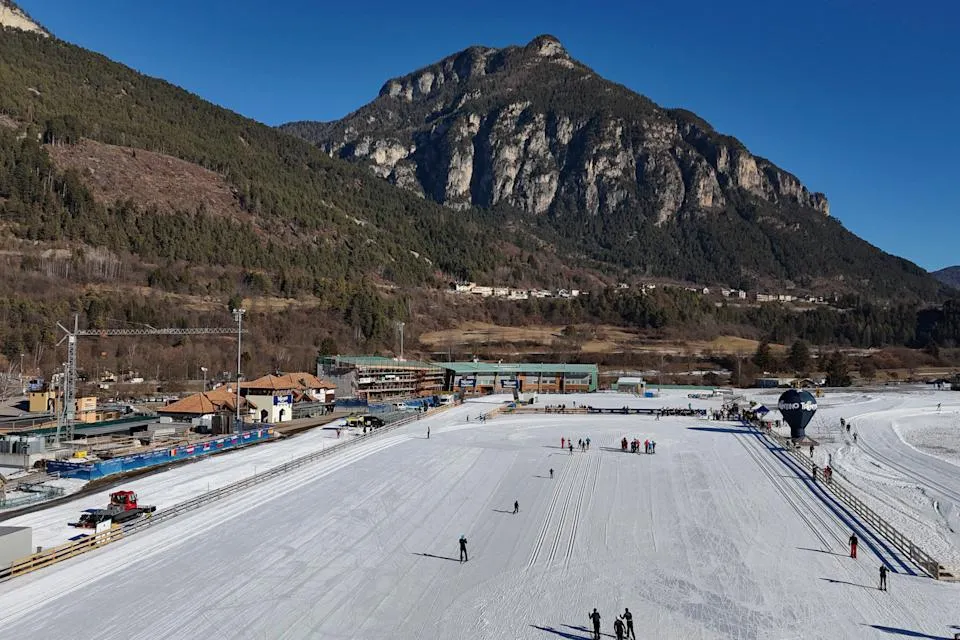 Photo: Winter Olympics, via s.yimg.com
The Original Need for Speed
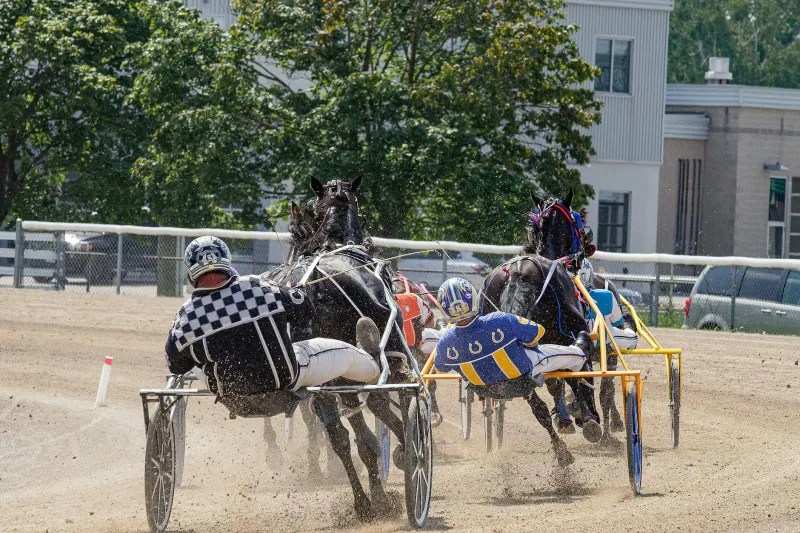
Chariot racing dominated ancient Greek athletics in ways that dwarf even modern motorsports' popularity. While the Olympics featured individual athletic competitions, the real crowd-pleasers were the equestrian events where horses and riders thundered around purpose-built tracks at speeds that seemed to defy human control.
These weren't just transportation vehicles competing—they were purpose-built racing machines designed for maximum speed and maneuverability. Ancient Greek chariot technology evolved specifically for competition, with lightweight construction, aerodynamic design, and specialized equipment that prioritized performance over practical utility. Sound familiar?
The psychological appeal was identical to what draws modern audiences to speed skating, bobsledding, and luge: the combination of human skill and mechanical precision pushing against the absolute limits of what's physically possible. Ancient spectators experienced the same rush watching horses navigate tight turns at full speed that modern viewers feel when speed skaters lean into curves at 35 miles per hour.
The Track That Started Everything
The hippodrome—ancient Greece's version of a racing oval—established design principles that modern track builders still follow. The optimal length for sustained speed, the banking of turns to maintain momentum, the positioning of spectator areas for maximum visibility—all of these elements were perfected in ancient Greece and translated directly into modern speed skating venues.
More importantly, the hippodrome created the template for how humans experience oval racing as entertainment. The ability to see the entire competition unfold, the building tension as leaders change throughout the race, the dramatic finish that can change in an instant—these weren't accidents of ancient architecture. They were deliberate design choices that maximized spectator engagement.
Modern Olympic speed skating venues follow the same psychological blueprint. The 400-meter oval allows viewers to track competitors throughout the entire race, building suspense as skaters jockey for position and timing their moves for maximum impact. The ancient Greeks understood that oval racing creates a unique form of athletic drama that linear competitions can't match.
Speed as Spectacle
What made ancient chariot racing irresistible wasn't just the competition—it was the visual spectacle of speed made tangible. Spectators could see, hear, and almost feel the power being unleashed as teams thundered past. The combination of human skill, animal power, and mechanical innovation created sensory overload that became addictive.
Modern speed skating and other Winter Olympics racing events trigger the same responses through different means. The sound of skates cutting through ice, the visual blur of athletes in aerodynamic positions, the palpable tension as competitors push their bodies beyond normal human limits—these elements recreate the same sensory experience that made chariot racing ancient Greece's most popular entertainment.
Television coverage enhances this effect by providing multiple camera angles, slow-motion replays, and close-ups that ancient spectators could never access, but the fundamental appeal remains unchanged: humans are hardwired to find speed competition compelling in ways that transcend cultural and technological differences.
The Psychology of the Oval
Oval racing creates unique psychological dynamics that explain why both ancient chariot races and modern speed skating generate such intense viewer engagement. Unlike linear races where the outcome becomes clear early, oval competition allows for constant position changes, strategic timing, and dramatic reversals that keep audiences invested throughout the entire event.
Ancient Greek spectators understood that chariot races were as much about tactical intelligence as raw speed. Drivers had to manage their horses' energy, time their moves strategically, and navigate traffic while maintaining maximum speed—exactly the same mental challenges that face modern speed skaters competing in pack-style events.
This strategic element transforms speed competition from simple athletic display into complex entertainment that rewards both immediate thrills and deeper understanding. Ancient audiences became sophisticated judges of racing tactics, just as modern Olympics viewers develop appreciation for the subtle strategies that determine success in speed skating events.
From Horses to Humans
The transition from chariot racing to human-powered speed competition wasn't a replacement—it was an evolution that preserved the essential elements while adapting to new possibilities. When ice skating developed as organized sport, it naturally gravitated toward the oval format because that shape had already been proven to optimize both competitive fairness and spectator experience.
Speed skating's development in Northern European countries created the technical foundation, but the sport's global appeal stems from its connection to much older human fascinations with speed and competition. Americans didn't suddenly develop an interest in watching people skate in circles—they inherited a genetic predisposition for oval racing that had been dormant until the Winter Olympics provided the right context.
Modern bobsledding, luge, and skeleton events extend this lineage further by combining the speed element with the technological innovation that characterized ancient chariot racing. These sports require the same synthesis of human skill and mechanical precision that made chariot competition compelling, updated for contemporary materials and safety standards.
The February Phenomenon
Every Winter Olympics cycle, American television ratings demonstrate the enduring power of speed competition to capture mass audiences. Viewers who ignore skating, sledding, and racing events for four years suddenly become experts, following storylines and developing favorites based on the same psychological triggers that filled ancient hippodromes.
This isn't cultural conditioning or marketing manipulation—it's the activation of deeply embedded human responses to speed competition that have remained consistent across millennia. The Winter Olympics succeeds because it provides modern expression for ancient entertainment preferences that never really disappeared.
The oval track that hosted chariot races in ancient Olympia and the oval track that hosts speed skating in modern Olympics serve the same fundamental purpose: creating a space where human fascination with speed can be safely explored and collectively experienced.
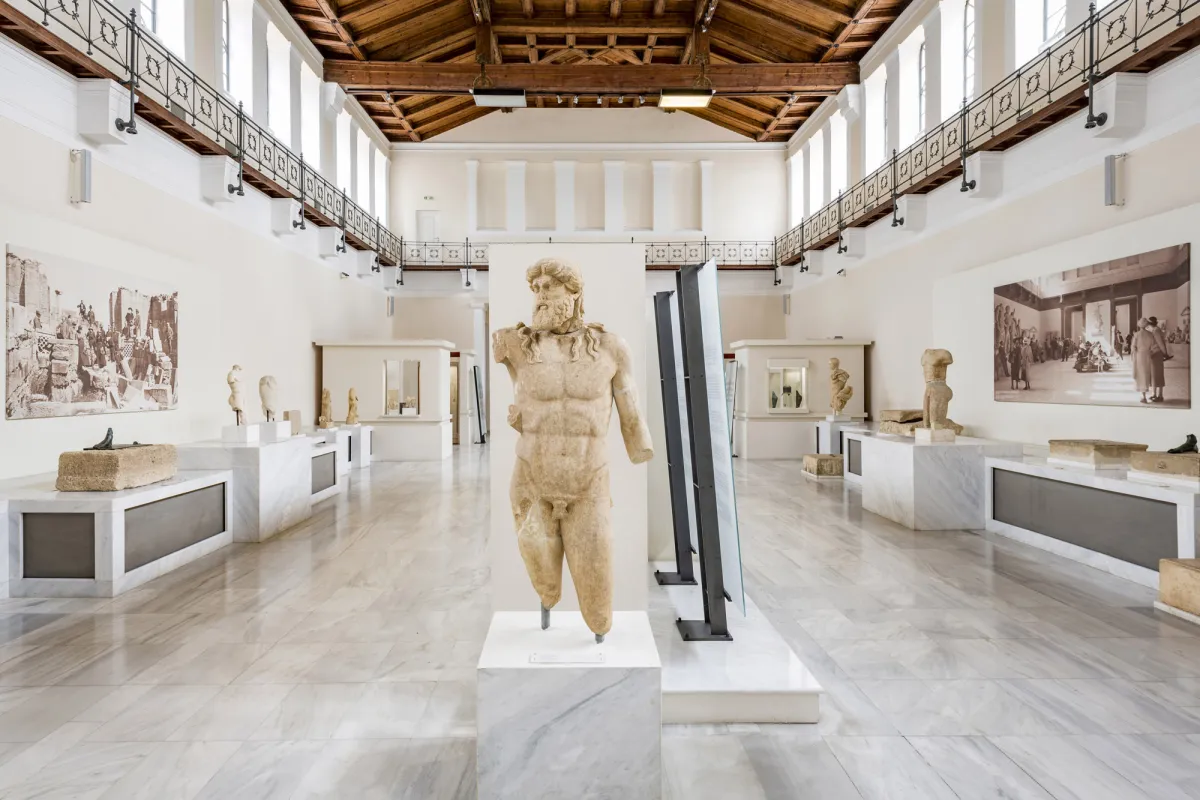 Photo: ancient Olympia, via www.visit-olympia.gr
The Circle Continues
The next time you find yourself inexplicably invested in a speed skating race or bobsled run, remember that you're experiencing entertainment architecture that was perfected before the Roman Empire existed. The ancient Greeks didn't just invent competitive athletics—they discovered the specific formats and presentations that make athletic competition irresistibly watchable.
 Photo: Roman Empire, via providencemag.com
Modern Winter Olympics racing events aren't just sports; they're the latest chapter in humanity's oldest spectator obsession. The technology has evolved from horses to humans to high-tech sleds, but the fundamental appeal remains exactly what it was 2,500 years ago: the primal thrill of watching speed pushed to its absolute limit, one lap at a time.
The oval endures because it works—not just as athletic venue, but as a stage for the kind of human drama that transcends any particular sport or era.