When Glory Fades: Ancient Greece's Blueprint for Athletic Retirement
The Champion Who Stayed Too Long
Milo of Croton dominated Olympic wrestling for over two decades, winning six consecutive championships between 540 and 516 BC. He was ancient Greece's equivalent of Tom Brady—a legendary competitor who seemed immune to age. Until he wasn't.
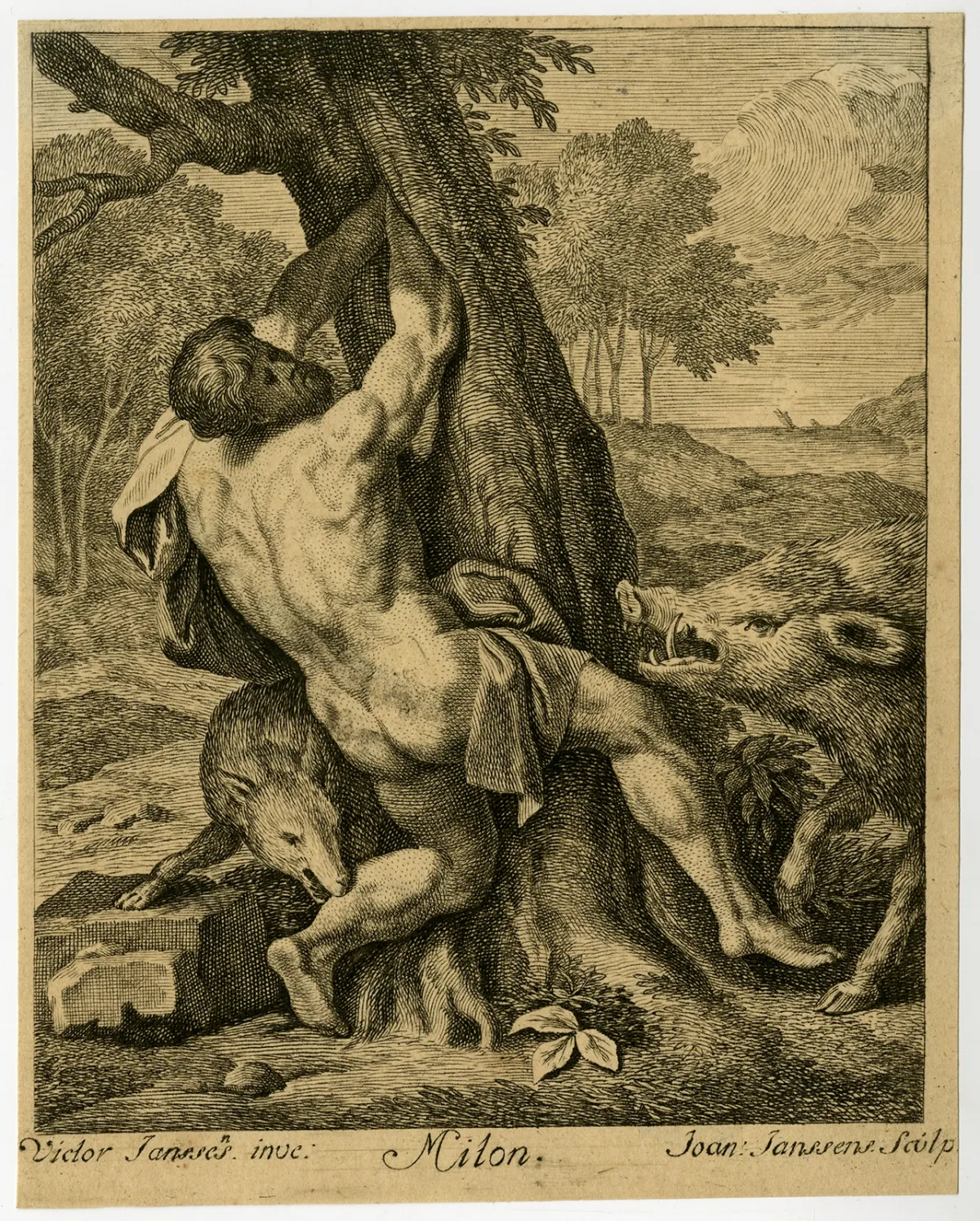 Photo: Milo of Croton, via pictura-prints.com
At his seventh Olympic Games, the 40-year-old Milo faced a younger wrestler named Timasitheus. For the first time in his career, Milo couldn't overpower his opponent. The match ended in a draw, which under Olympic rules meant neither wrestler received the victory crown. Milo's reign was over, but he had waited too long to recognize it.
Legend says Milo died attempting to split a tree trunk with his bare hands, his aging muscles no longer capable of the feats that once made him invincible. It's probably mythology, but the story captures something true about athletic retirement: the difficulty of accepting that the body that once seemed superhuman is, ultimately, just human.
When the Crowds Stop Cheering
Unlike modern athletes who retire to broadcasting careers and endorsement deals, ancient Greek competitors faced a stark reality: when their athletic careers ended, so did their relevance. There were no pension plans, no post-retirement opportunities in coaching or commentary. Former champions often returned to ordinary lives as farmers, soldiers, or craftsmen.
This harsh transition created intense pressure to extend competitive careers beyond their natural endpoints. Olympic victors received lifetime benefits in their home cities—free meals, tax exemptions, front-row seats at public events. Retiring meant losing not just competitive glory, but also economic security and social status.
The parallels to modern athletic retirement are striking. When Michael Jordan returned to basketball after his first retirement, or when Brett Favre unretired multiple times, they were grappling with the same fundamental question that tormented ancient Greek champions: how do you walk away from the thing that defines you?
The Age When Heroes Fall
Greek athletic competition was brutally physical. Pankration combined wrestling and boxing with almost no rules—competitors regularly suffered broken bones, dislocated joints, and severe lacerations. Boxing matches continued until one fighter was unconscious or surrendered. Distance runners collapsed from exhaustion and dehydration.
Most Olympic champions peaked in their twenties and were finished by their early thirties. The human body simply couldn't withstand the punishment indefinitely. Yet the greatest champions often tried to compete into their forties, driven by pride, financial necessity, or the inability to imagine life without competition.
Modern athletes face similar physical realities, despite advances in sports medicine and training techniques. NFL players average 3.3-year careers. Professional boxers often suffer irreversible brain damage. Even in less violent sports, the accumulation of minor injuries and the natural decline of reflexes and strength eventually make competition impossible.
The Wisdom of Strategic Withdrawal
Some ancient Greek athletes mastered the art of retirement timing. Leonidas of Rhodes won twelve Olympic victories across four consecutive Games, then retired at his absolute peak in 152 BC. He never lost an Olympic race and never competed when his abilities had diminished.
 Photo: Leonidas of Rhodes, via alchetron.com
Leonidas understood something modern sports psychologists now confirm: the psychological trauma of declining performance can be more devastating than physical injury. Athletes who retire while still competitive maintain their self-image as champions. Those who compete too long often carry the memory of their decline rather than their triumphs.
Consider how differently we remember athletes based on their retirement timing. Wayne Gretzky retired while still productive, preserving his legend. Muhammad Ali fought too long and suffered visible decline. The Greeks faced the same choice, with the same lasting consequences for their legacies.
Life After Victory
Successful athletic retirement in ancient Greece required careful planning. The smartest competitors used their fame to establish businesses, secure political positions, or become military leaders. Olympic boxing champion Diagoras of Rhodes parlayed his athletic success into becoming a respected statesman and philosopher.
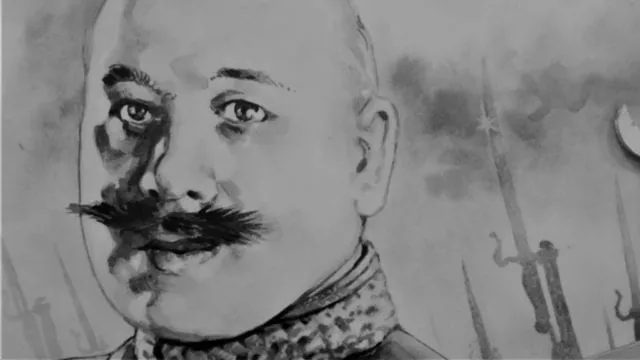 Photo: Diagoras of Rhodes, via theislandofrhodes.com
Others struggled with the transition. Archaeological evidence suggests that many former Olympic champions suffered from what we would now recognize as depression and identity crisis. Without the structure of training and the validation of competition, they lost their sense of purpose.
This psychological challenge persists in modern athletics. Studies show that retired professional athletes suffer higher rates of depression, substance abuse, and financial problems than the general population. The skills that make someone an elite competitor—obsessive focus, competitive drive, physical risk-taking—don't necessarily translate to post-athletic success.
The Mentor's Path
The most successful ancient Greek athletic retirements followed a mentorship model. Former champions became trainers for younger athletes, passing on technical knowledge and competitive wisdom. This provided continued connection to athletic culture while acknowledging the reality of physical decline.
Gymnasiums across the Greek world were staffed by former Olympic competitors who had transitioned from performing to teaching. These retired champions maintained their status within athletic communities while building new identities as educators and advisors.
Modern sports have embraced similar models. Former players become coaches, analysts, and executives. The most successful athletic retirements often involve staying connected to sport in a different capacity rather than making a complete break from competitive culture.
The Eternal Question
Every aging athlete faces the same fundamental question their ancient Greek predecessors confronted: when does the pursuit of one more victory become more about ego than excellence? When does the competitor's drive become self-destructive rather than inspiring?
The Greeks didn't have modern medical technology to extend careers or sophisticated analytics to measure declining performance. But they understood the essential truth that still challenges every elite athlete: knowing when to walk away is as important as knowing how to compete.
Lessons From Olympia
What the ancient Greeks learned about athletic retirement remains relevant because human nature hasn't changed. The desire for glory, the fear of irrelevance, the struggle to find identity beyond competition—these challenges are as old as organized athletics itself.
The next time you watch an aging superstar debate retirement, remember that they're part of a tradition stretching back to ancient Olympia. From Milo's tragic final match to LeBron's ongoing excellence, the question of when champions should step away has never had an easy answer. The Greeks gave us competitive athletics, but they also gave us the eternal dilemma of knowing when competition should end.