Victory at Any Cost: The Dirty Secrets of Ancient Olympic Competition
When Winning Was Worth Everything
In 67 AD, Emperor Nero competed in the Olympic chariot race. His chariot crashed, he never finished the course, yet judges still crowned him champion. Sound familiar? This wasn't the first—or last—time politics and corruption tainted Olympic competition.
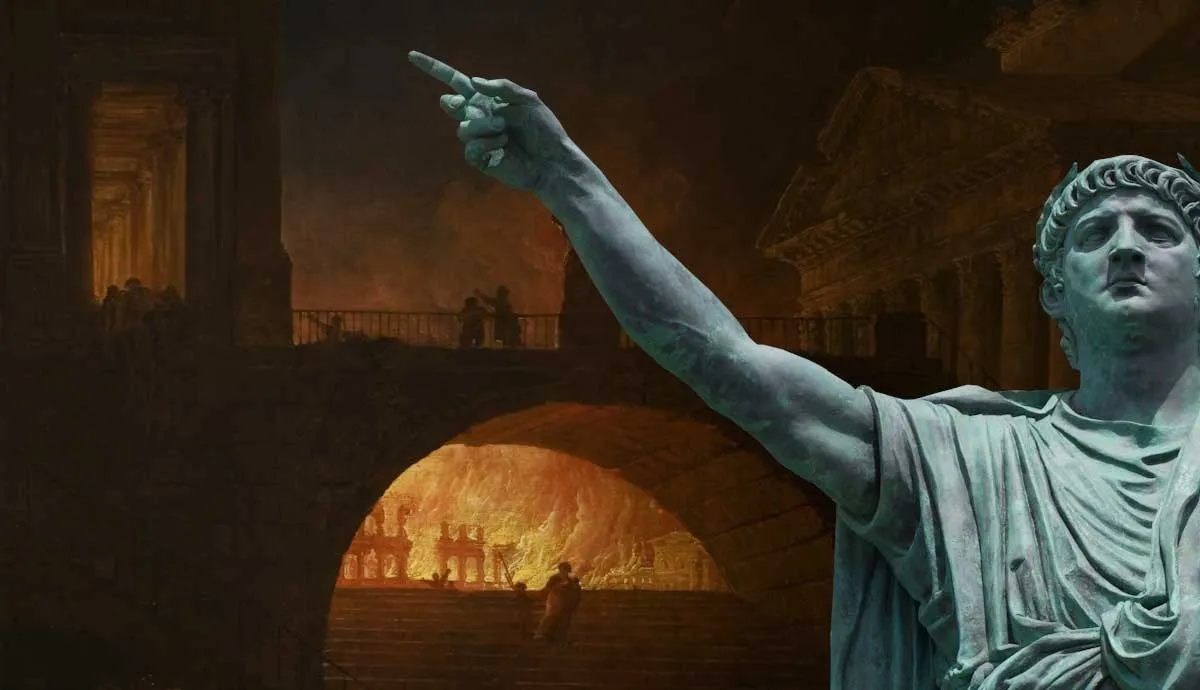 Photo: Emperor Nero, via cdn.thecollector.com
While modern sports fans debate steroid scandals and performance-enhancing drugs, the ancient Greeks were dealing with their own version of athletic cheating nearly 3,000 years ago. The difference? Back then, there weren't any rules against it.
The Original Performance Enhancers
Ancient Greek athletes consumed what they called "doping mixtures"—herbal concoctions designed to boost strength and endurance. Bulls' blood was considered a premium performance enhancer, though it often killed the athletes who drank it. Sheep testicles, ground deer hooves, and various plant extracts were common ingredients in these early supplements.
Olympic competitor Charmis of Sparta gained fame for his revolutionary training diet of dried figs, which gave him enough energy to dominate distance running events. Other athletes experimented with mushroom-based drinks and fermented beverages that modern scientists believe contained naturally occurring stimulants.
 Photo: Charmis of Sparta, via www.kajariaceramics.com
The most sophisticated cheaters hired personal physicians to develop custom enhancement formulas. These ancient "team doctors" mixed everything from opium derivatives to crushed gemstones, believing precious stones transferred their properties to human performance.
Money Changes Everything
As Olympic prestige grew, so did the stakes. Wealthy city-states began offering massive rewards to victorious athletes—prize money that could set up a competitor for life. Suddenly, winning wasn't just about personal glory; it was about generational wealth.
Bribery became rampant. Athletes paid opponents to withdraw from competition or deliberately lose. Judges received gold, land, and political favors in exchange for favorable decisions. The corruption grew so widespread that Olympic organizers erected bronze statues called "Zanes" along the entrance path to the stadium—each one funded by fines collected from cheating athletes and inscribed with warnings about the consequences of dishonesty.
Archaeologists have discovered evidence of at least sixteen such statues, meaning corruption was frequent enough to become a significant revenue source for Olympic operations.
The Hometown Advantage
Local athletes enjoyed advantages that would make modern sports commissioners cringe. Home-city judges showed obvious favoritism, crowds intimidated foreign competitors, and local athletes received inside information about competition schedules and rule changes.
The most famous case involved boxer Eupolus of Thessaly, who bribed three opponents during the 98th Olympics. When discovered, Olympic officials fined all four men and used the money to commission bronze statues warning future competitors about the consequences of corruption. The scandal was so significant that it changed how Olympic boxing matches were organized for the next century.
 Photo: Eupolus of Thessaly, via i.ytimg.com
Ancient Steroids and Modern Scandals
The parallels between ancient Greek performance enhancement and modern doping are striking. Both eras feature athletes willing to risk their health for competitive advantage, sophisticated support networks developing new enhancement methods, and governing bodies struggling to maintain fairness.
Consider the similarities: Greek athletes consumed dangerous substances with unknown side effects, just like modern steroid users. Wealthy competitors had access to better enhancement methods, similar to how today's elite athletes can afford cutting-edge (and often illegal) performance programs. And in both eras, the pressure to win often outweighed ethical considerations.
The Corruption Industry
What's most remarkable about ancient Olympic cheating is how organized it became. Professional fixers operated across the Greek world, arranging bribes between athletes from different city-states. These ancient "agents" took percentages of prize money and maintained networks of corrupt judges, coaches, and competitors.
Some athletes built entire careers around strategic cheating. They'd lose deliberately in smaller competitions to lower expectations, then deploy their full capabilities (and enhancements) at major events where the stakes were highest. Sound familiar? Modern match-fixing scandals follow remarkably similar patterns.
Why This Still Matters
Every time a modern athlete tests positive for performance-enhancing drugs, or when point-shaving scandals rock college basketball, we're witnessing the same fundamental tension that plagued ancient Olympic competition: the conflict between fair play and the enormous rewards that come with victory.
The Greeks eventually developed more sophisticated anti-corruption measures, including random judge assignments, standardized training periods, and severe penalties for cheating. These innovations became the foundation for modern sports governance, proving that the battle for competitive integrity is as old as competition itself.
The next time you watch a major sporting event, remember that the athletes you're cheering for are part of a tradition stretching back nearly three millennia—a tradition where the pursuit of victory has always pushed competitors to test the boundaries of fair play. The methods may have evolved, but the fundamental challenge remains the same: how do you maintain the integrity of competition when the stakes keep getting higher?