The Moment Competition Was Born: When Ancient Greeks Drew the First Finish Line
The Problem That Started It All
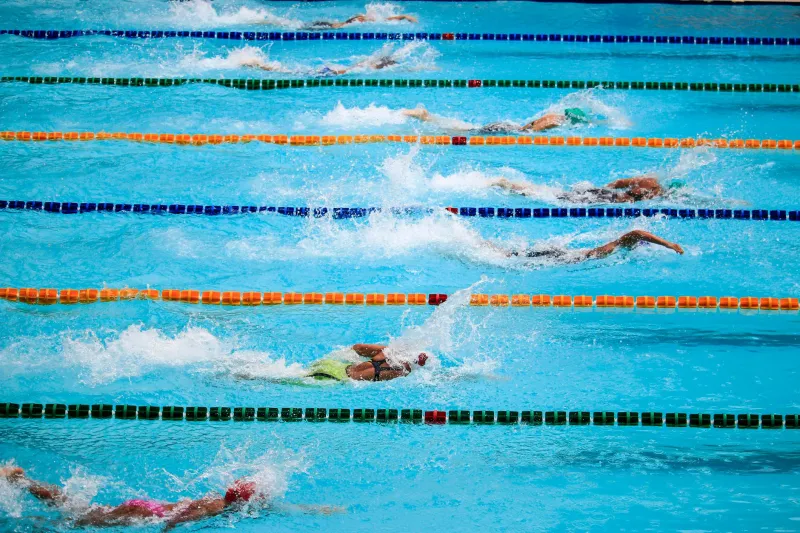
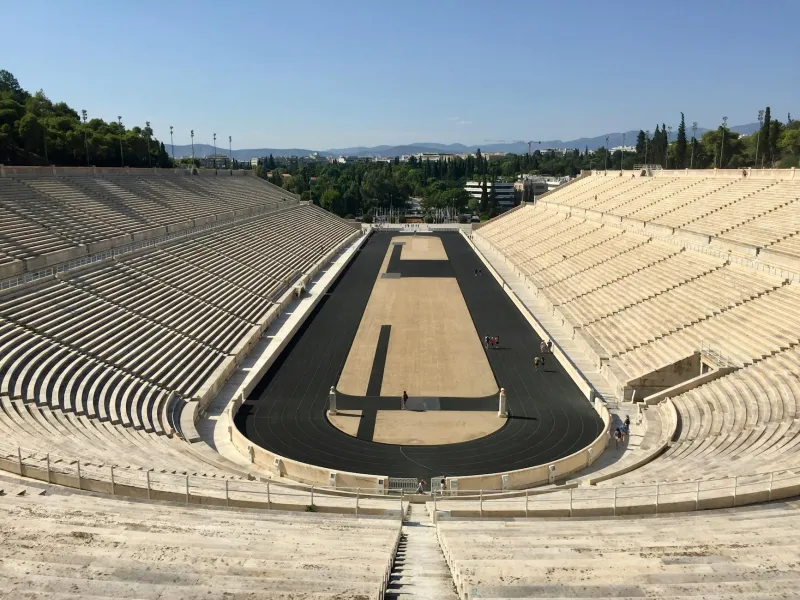
Picture this: it's 776 BC in Olympia, and a group of Greek men are about to settle an argument the way their culture preferred — through athletic competition. But there's a problem nobody had solved before. When multiple people run from here to there, how exactly do you determine who wins?
This wasn't just a practical question. It was a crisis of fairness that would either make or break the entire concept of organized sport. The Greeks were about to invent something that didn't exist anywhere in the world: the formal race.
More Than Just Running Fast
Before the Greeks formalized racing, athletic contests were chaotic affairs. Runners might start at different times, take different routes, or simply argue about who crossed an imaginary line first. What the Greeks created at Olympia was revolutionary — a standardized system where everyone started at the same moment, ran the exact same distance, and finished at a clearly defined point.
The stadion race, roughly 200 yards long, became the template for every sprint race that followed. But the real innovation wasn't the distance or even the running itself. It was the idea that competition required absolute equality of opportunity and crystal-clear determination of victory.
The Sacred Sprint That Changed Everything
The stadion wasn't just the first official race — it was the only event at the Olympics for the first 13 games. That's 52 years of Olympics featuring nothing but a single sprint. This wasn't because the Greeks lacked imagination. It was because they understood they were perfecting something profound: the purest possible athletic competition.
Runners lined up at grooves carved into stone slabs, waited for the signal, and sprinted to the altar of Zeus. The winner received an olive wreath and became the most famous person in the Greek world. But more importantly, they had participated in the world's first truly fair athletic contest.
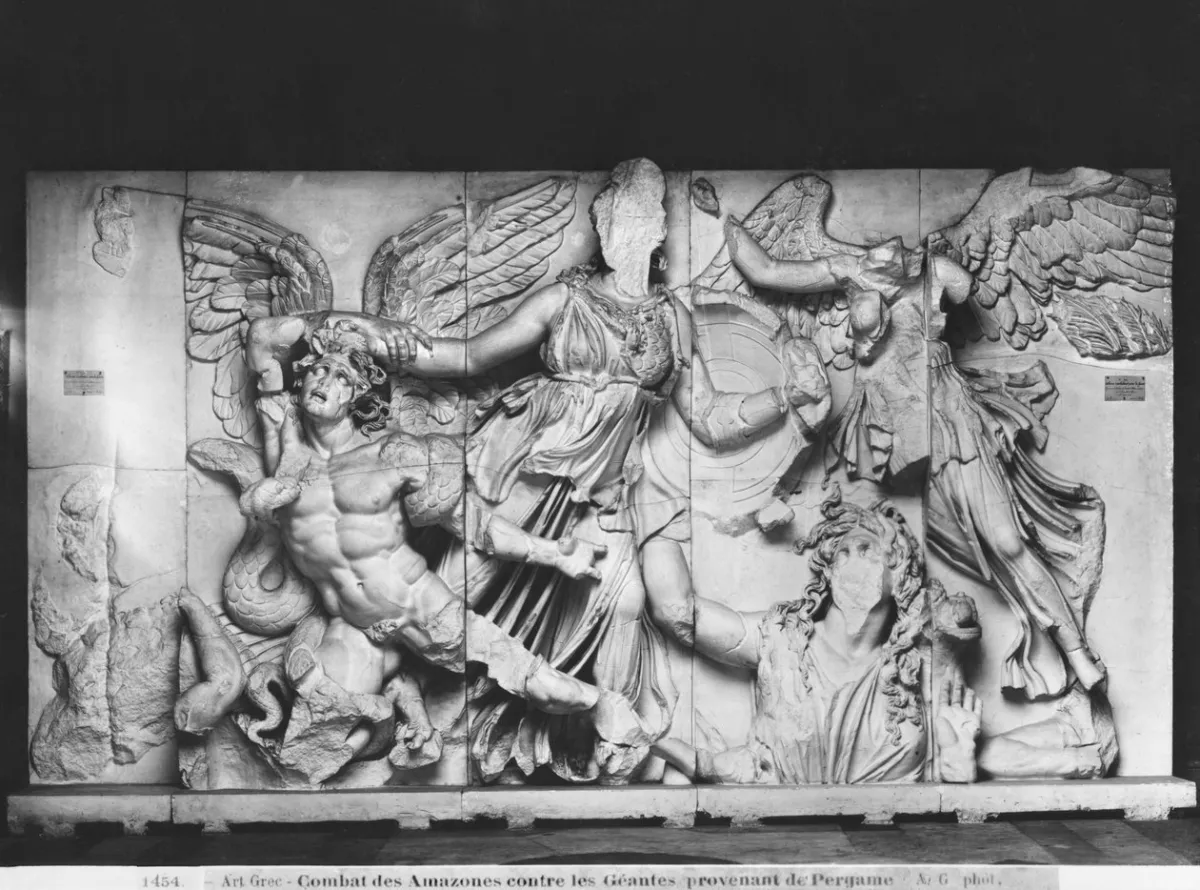 Photo: altar of Zeus, via www.meisterdrucke.us
From Olympia to Your Local Track
Every time an American high school kid lines up for the 100-meter dash, they're participating in a ritual that traces directly back to those stone starting blocks in Olympia. The concept of lanes, the importance of a clean start, the photo finish technology — it's all solving the same fundamental challenge the Greeks faced: how do you create perfect fairness in human competition?
Modern sprint times would astound ancient Greeks. The winning stadion time at early Olympics was probably around 24-25 seconds for roughly 200 yards. Today's high school sprinters regularly beat that mark. But the structure of the competition — the ceremony, the tension, the moment of truth at the finish line — remains essentially unchanged.
The DNA of American Sports
What the Greeks invented in that first stadion race became the genetic code for American sports culture. The idea that competition must be fair, that rules must be absolute, and that victory must be undeniable — these aren't natural human concepts. They're Greek innovations that we've inherited and refined.
When Americans obsess over photo finishes in Olympic sprints or argue about whether a runner false-started, we're engaging with the same principles those ancient Olympic officials established. The technology has evolved, but the core challenge remains identical: how do you create perfect competition between imperfect humans?
Why Ancient Starting Lines Still Matter
The Greeks didn't just invent racing — they invented the idea that athletic competition could be a search for absolute truth. In a world full of ambiguity and argument, sport could provide clear, undeniable answers about human capability.
That's why every modern race, from a local 5K to the Olympic 100-meter final, carries the weight of history. When runners settle into the blocks and wait for the gun, they're not just competing against each other. They're participating in humanity's longest-running experiment in fairness, one that started with a simple question in ancient Greece: if we're all going to run, how do we know who's fastest?
The answer the Greeks provided — clear rules, equal opportunity, and definitive results — became the foundation not just for athletics, but for the American ideal of fair competition itself.