Ancient Greece's Million-Dollar Racing Circuit: How Chariot Competition Invented Modern Motorsports Business
The Original Speed Spectacle
Long before Richard Petty or Dale Earnhardt became household names, a Greek aristocrat named Alcibiades shocked the ancient world by entering seven chariot teams in a single Olympic race. He didn't drive any of them — wealthy owners hired professional charioteers to handle the dangerous work while they collected the glory and prize money. Sound familiar?
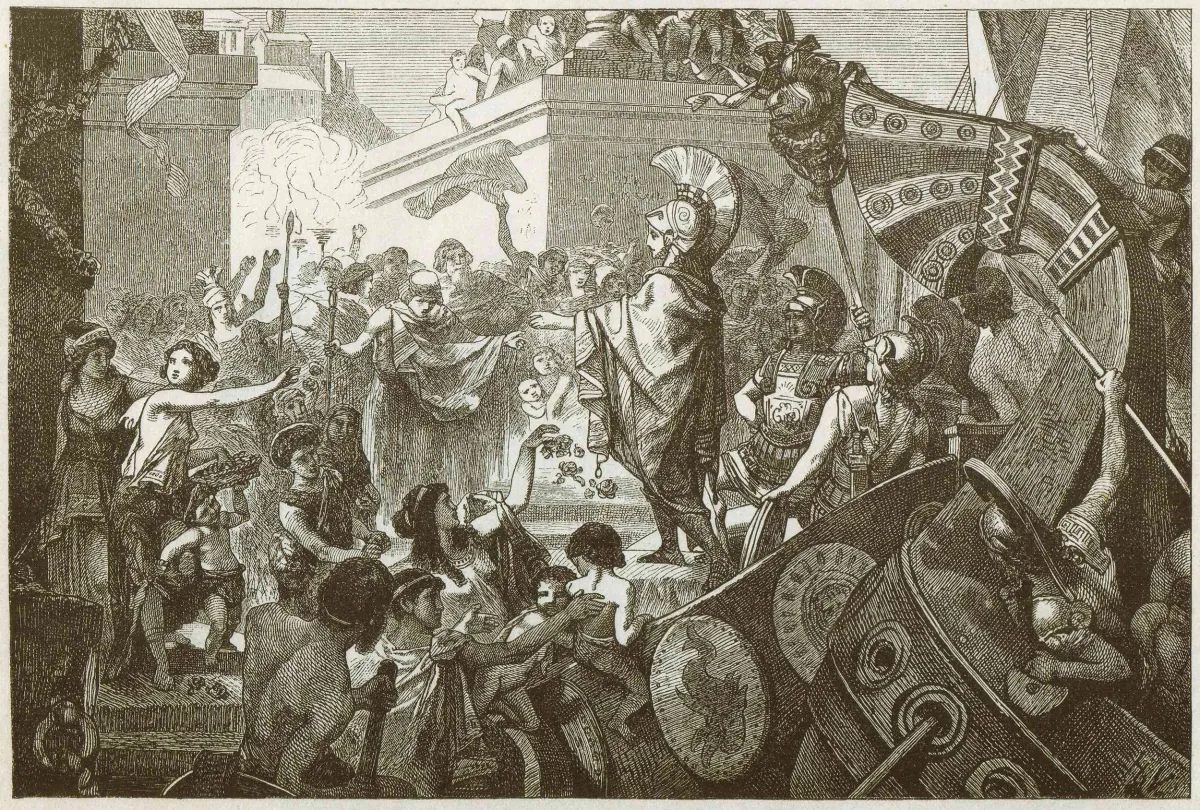 Photo: Alcibiades, via www.thoughtco.com
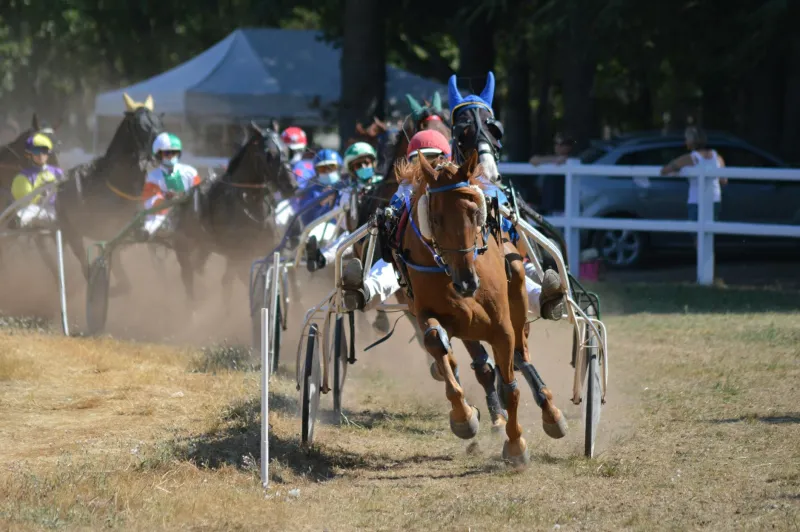
Chariot racing at ancient Olympia wasn't just sport; it was the world's first major spectator entertainment industry. The four-horse chariot race, called the "tethrippon," drew massive crowds, commanded enormous prize purses, and created celebrities out of both owners and drivers. It was NASCAR with horses, complete with corporate sponsorship, team rivalries, and crashes that could kill.
The Money Behind the Horses
In ancient Greece, entering a chariot team cost roughly the equivalent of $500,000 in today's money. Only the ultra-wealthy could afford to compete, which meant chariot racing became a playground for kings, tyrants, and aristocrats looking to buy prestige and political influence.
Just like modern NASCAR team owners, ancient Greek chariot owners rarely drove their own vehicles. They hired professional charioteers — skilled athletes who specialized in controlling four horses at racing speed while navigating a crowded track filled with other teams trying to do the same thing.
The Ultimate Spectator Sport
The chariot race was the main event at Olympia, drawing crowds of over 40,000 spectators. The hippodrome (literally "horse track") was a massive oval circuit where teams raced 12 laps around turning posts, covering roughly six miles total. Crashes were common, spectacular, and often fatal.
Spectators didn't just watch passively — they bet heavily on their favorite teams and drivers. Ancient sources describe the crowd noise as deafening, with different regions of Greece cheering for their local champions. The atmosphere was identical to a modern Daytona 500: loud, partisan, and completely obsessed with speed.
Team Dynasties and Regional Rivalries
Certain Greek city-states dominated chariot racing the way certain NASCAR teams dominate today. Sparta and Athens fielded multiple teams, creating regional rivalries that lasted for generations. Wealthy families passed down racing stables like modern team ownership, with sons inheriting both the horses and the competitive legacy.
The most successful chariot owner in Olympic history was probably Hieron I of Syracuse, who won the four-horse chariot race in 468 BC and commissioned the poet Pindar to write victory odes celebrating his triumph. Ancient victory celebrations were elaborate affairs featuring parades, poetry, and enormous cash prizes — basically ancient victory lane ceremonies.
 Photo: Hieron I of Syracuse, via cdn.britannica.com
The Business Model That Never Changed
Ancient chariot racing operated on the same economic principles that drive modern motorsports: wealthy sponsors funded teams to gain prestige and political influence, while professional athletes risked their lives for prize money and fame. The only difference was the technology.
Greek chariot owners didn't plaster their vehicles with corporate logos, but they achieved the same promotional goals through elaborate horse decorations, distinctive chariot designs, and carefully managed public appearances. When a chariot won at Olympia, the owner's city-state gained international prestige that could influence trade negotiations and military alliances.
Crashes, Controversy, and Celebrity Drama
Ancient chariot racing generated the same kind of dramatic storylines that make modern motorsports compelling. Drivers developed signature styles and loyal fan bases. Crashes were analyzed for blame and fault. Successful owners became celebrities whose personal lives were scrutinized by the ancient equivalent of sports media.
The most famous chariot racing controversy involved the Roman Emperor Nero, who competed in the Olympics in 67 AD. He fell from his chariot during the race, never finished, but was declared the winner anyway because he was the emperor. Ancient sports journalists were not impressed.
From Horses to Horsepower
When internal combustion engines replaced horses in the early 1900s, motorsports inherited the organizational structure that chariot racing had established: wealthy owners, professional drivers, specialized vehicles, and massive spectator appeal. The transition was so seamless that early auto racing was literally called "motor chariot racing."
NASCAR's current model — team owners who hire drivers to pilot corporate-sponsored vehicles in front of massive crowds — is essentially identical to how chariot racing worked at Olympia. Even the safety concerns are similar: both sports involve high speeds, close competition, and the constant possibility of spectacular crashes.
The DNA of American Racing
Modern American motorsports culture inherited more than just organizational structure from ancient chariot racing. The idea that speed competition should be a major spectator sport, that crashes are part of the appeal, and that regional rivalries drive fan loyalty — all of these concepts trace directly back to ancient Greece.
When 200,000 fans pack into Indianapolis Motor Speedway for the Indy 500, they're participating in a form of entertainment that hasn't fundamentally changed since ancient Greeks filled the hippodrome at Olympia. The vehicles are different, but the human fascination with speed, risk, and competition remains exactly the same.
Why Ancient Racing Still Matters
Chariot racing proves that big-money motorsports aren't a modern invention — they're a fundamental expression of human competitive instinct that emerges whenever a culture becomes wealthy enough to support professional athletics. The Greeks figured out the formula 2,500 years ago: combine speed, danger, celebrity, and money, then sell tickets to people who want to watch.
Every time you see a NASCAR race or Formula 1 grand prix, you're watching the latest chapter in a story that began with horses and chariots in ancient Greece. The technology evolved, but the basic human drama — rich people buying fast vehicles and hiring brave drivers to race them — remains wonderfully, stubbornly unchanged.