Free Agency Started in Ancient Greece: The 2,500-Year History of Buying Athletic Talent

The Decision That Started It All
In the summer of 2010, LeBron James made "The Decision"—a televised announcement that revolutionized how America thinks about athlete free agency. Millions watched as the NBA superstar chose his destination based on the best combination of money, opportunity, and lifestyle. But 2,500 years earlier, in the competitive world of ancient Greek athletics, similar decisions were happening every Olympic cycle.
The difference? No television cameras, but plenty of gold coins changing hands.
Ancient Greece didn't just invent competitive athletics—it created the entire business model of professional sports, complete with recruitment wars, performance bonuses, and contract negotiations that would make Scott Boras proud. The supposedly "amateur" world of ancient Olympic competition was actually a sophisticated marketplace where talent commanded serious compensation.
When Cities Became Franchises
Greek city-states operated like modern sports franchises, understanding that athletic success translated directly into political prestige and economic advantage. A victory at Olympia or the other major games didn't just bring glory to an individual athlete—it elevated the entire city's status across the Mediterranean world.
This created intense competition for top talent that sounds remarkably familiar to anyone who follows modern free agency. City-states actively recruited athletes from rivals, offering packages that included housing, tax exemptions, cash payments, and guaranteed income for life. Sound familiar? It should—these arrangements functioned exactly like the multi-million dollar contracts that define today's professional sports landscape.
Athens, for example, awarded Olympic victors 500 drachmas (roughly equivalent to two years' wages for a skilled worker) plus free meals at the city hall for life. Sparta offered land grants and military commissions. Other cities competed with increasingly elaborate benefit packages, creating bidding wars that escalated across generations.
The Original Endorsement Deals
Beyond direct payments from city-states, successful ancient athletes leveraged their fame into what we'd recognize as endorsement deals. Victorious competitors received valuable prizes from wealthy patrons—horses, land, expensive goods—in exchange for the prestige of being associated with Olympic champions.
These relationships operated on the same principles that drive modern sponsorship: companies (or wealthy individuals) paid athletes for access to their popularity and the implied endorsement of their success. A champion wrestler's choice of olive oil or wine could influence purchasing decisions across the Greek world, just as Michael Jordan's sneaker preferences shaped global fashion.
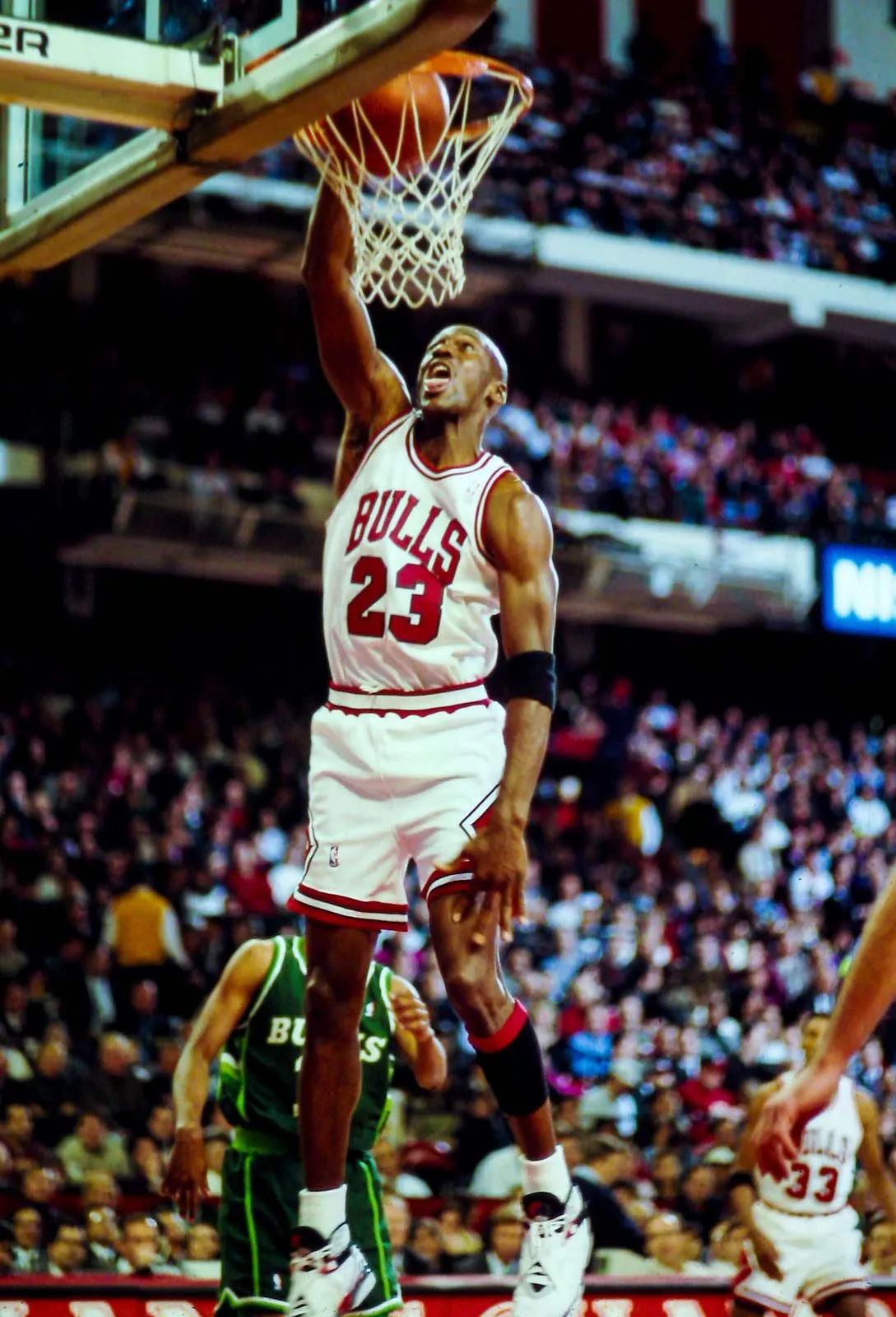 Photo: Michael Jordan, via cdn.britannica.com
The poet Pindar made a career writing victory odes for successful athletes, creating a cottage industry around athletic achievement that parallels today's sports media complex. These weren't just congratulatory poems—they were sophisticated marketing tools that enhanced an athlete's value and marketability.
 Photo: Pindar, via www.delphiclassics.com
Contract Negotiations, Ancient Style
The most successful ancient athletes employed agents and advisors who negotiated on their behalf, understanding that athletic talent was a commodity that required professional management. These representatives handled everything from appearance fees at local festivals to long-term residency agreements with competing cities.
Documented cases show athletes switching allegiances between city-states based on better offers, creating the same kind of drama that follows modern free agency periods. Citizens would sometimes riot when their city lost a prized athlete to a rival's superior offer, demonstrating the emotional investment that parallels modern fan reactions to trades and signings.
These negotiations could get complex. Some athletes maintained dual citizenship to compete for whichever city offered the best opportunity in a given year. Others signed exclusive agreements that prevented them from representing rivals, establishing the concept of contractual loyalty that defines modern professional sports.
The Economics of Excellence
The financial scale of ancient athletic compensation was substantial enough to create professional careers. Successful athletes could earn enough from a single Olympic victory to live comfortably for decades, making athletics a viable alternative to traditional occupations like farming, craftsmanship, or military service.
This economic reality attracted talent that might otherwise have pursued different paths, improving the overall quality of competition in ways that mirror how modern salaries have elevated professional sports. The best athletes could afford to train full-time, hire coaches, and focus exclusively on their athletic development—luxuries that created a professional class of competitors.
Cities understood this investment paid dividends beyond athletic glory. Successful athletes became ambassadors, their victories serving as effective marketing for their home cities' power and prosperity. This diplomatic value justified the significant financial commitments required to attract and retain top talent.
The Free Agency Circus
The most dramatic ancient equivalent to modern free agency occurred during periods when major athletes reached the end of their competitive careers or when political circumstances made changing allegiances attractive. Cities would compete aggressively for established champions, offering retirement packages that included lifetime benefits and honorary positions.
These recruitment battles created the same kind of speculation and rumor-mongering that characterizes modern sports media. Ancient sources describe crowds gathering to hear news about which athletes were considering offers from rival cities, with the outcomes affecting local morale and political standing.
Some athletes became serial free agents, moving between cities multiple times throughout their careers as opportunities arose. This mobility was controversial then, just as it is now, with critics arguing that constant movement undermined the authentic connection between athletes and the communities they represented.
The Business Model That Never Changed
What's remarkable about ancient Greek athletic compensation is how closely it resembles modern professional sports economics. The fundamental dynamics—talent scarcity, competitive bidding, performance-based rewards, and the translation of athletic success into broader cultural and economic value—remain essentially unchanged.
Modern free agency didn't invent these concepts; it simply formalized and systematized practices that have existed as long as competitive athletics has generated public interest and civic pride. The NBA's salary cap, NFL contract structures, and MLB's luxury tax are all sophisticated versions of the resource management challenges that ancient Greek cities faced when competing for athletic talent.
From Drachmas to Dollars
The next time you watch a modern athlete announce their free agency decision, remember that you're witnessing the latest chapter in a story that began in ancient Greece. The names, numbers, and media coverage have changed, but the fundamental transaction remains the same: communities investing in athletic talent because they understand that sports success creates value that extends far beyond the competition itself.
LeBron's "Decision" may have seemed revolutionary, but ancient Greek athletes were making similar choices—and generating similar drama—long before anyone invented television, let alone social media. The business of sports has never been as amateur as we sometimes pretend, and the professional model we see today simply represents the latest evolution of economic relationships that began when the first Olympic victor received more than just an olive wreath for their efforts.
Free agency didn't revolutionize sports—it just made an ancient practice impossible to ignore.