The Calendar That Rules American Sports Started in Ancient Greece
When the Gods Set the Schedule
Every four years, American sports fans mark their calendars for the Summer Olympics. Every fall, they plan their weekends around NFL games. Every March, they clear their schedules for college basketball's tournament madness. What they don't realize is that they're following a sports calendar system invented by ancient Greeks who believed the gods themselves determined when athletes should compete.
The concept of organized, cyclical athletic competition didn't emerge naturally—it was engineered by Greek religious leaders who needed to coordinate massive festivals across dozens of independent city-states. Their solution became the template for every major sports league Americans follow today.
The Original Four-Year Cycle
The Olympic Games weren't just athletic competitions; they were religious obligations that occurred every four years during the second full moon after the summer solstice. This wasn't arbitrary timing—Greek astronomers calculated the exact moment when Zeus would be most receptive to human athletic offerings.
This four-year "Olympiad" became the master clock for all Greek athletics. Other major competitions—the Pythian Games, Nemean Games, and Isthmian Games—were scheduled around the Olympic cycle, creating a rotating calendar that ensured top athletes always had a major competition to train for.
Sound familiar? The modern Olympic cycle still drives international athletic planning. American swimmers, track athletes, and gymnasts organize their entire careers around four-year Olympic preparation periods, following training and competition schedules that trace directly back to ancient Greek religious practices.
The Invention of Seasons
Before the Greeks, athletic competition was random and chaotic. Warriors fought when armies clashed, runners raced when they needed to deliver messages, and wrestlers competed whenever disputes required physical resolution. The Greeks revolutionized this by creating dedicated "seasons" for different types of athletic activity.
Summer belonged to track and field events, when the weather favored outdoor competition and crowds could travel safely between city-states. Fall was reserved for equestrian events, after the harvest provided feed for horses. Winter featured indoor competitions like wrestling and boxing. Spring brought renewed training and qualifying events.
This seasonal specialization is embedded in modern American sports. Football dominates fall and winter, baseball owns summer, basketball peaks in spring. Even individual sports follow Greek-inspired seasonal patterns—track and field competitions cluster in late spring and summer, just as they did 2,500 years ago.
The Training Cycle Revolution
Greek athletes discovered something modern sports science confirms: peak performance requires structured preparation periods. They developed systematic training cycles that alternated between building strength, developing technique, and achieving competition readiness.
The standard Greek training cycle lasted four months: one month of basic conditioning, two months of intensive skill development, and one month of competition preparation. Athletes who tried to maintain peak condition year-round burned out quickly and suffered more injuries.
Every American sports fan recognizes this pattern. NFL teams spend months in offseason conditioning, weeks in preseason preparation, and then peak during the regular season. College athletes follow semester-based training cycles. Even recreational runners train for specific races using periodization methods that mirror ancient Greek practices.
The Economics of Scheduled Competition
The Greeks understood that predictable competition schedules created economic opportunities. Merchants planned trade routes around major athletic festivals. Innkeepers prepared for influxes of traveling spectators. Artisans timed their production cycles to meet demand for athletic equipment and ceremonial items.
This economic synchronization between athletic competition and commercial activity became the foundation for modern sports business. The NFL generates billions in revenue because fans can plan their entertainment spending around a predictable 17-week season. March Madness works because businesses know exactly when to launch basketball-themed marketing campaigns. The Olympics drive tourism and infrastructure investment because host cities have four years to prepare.
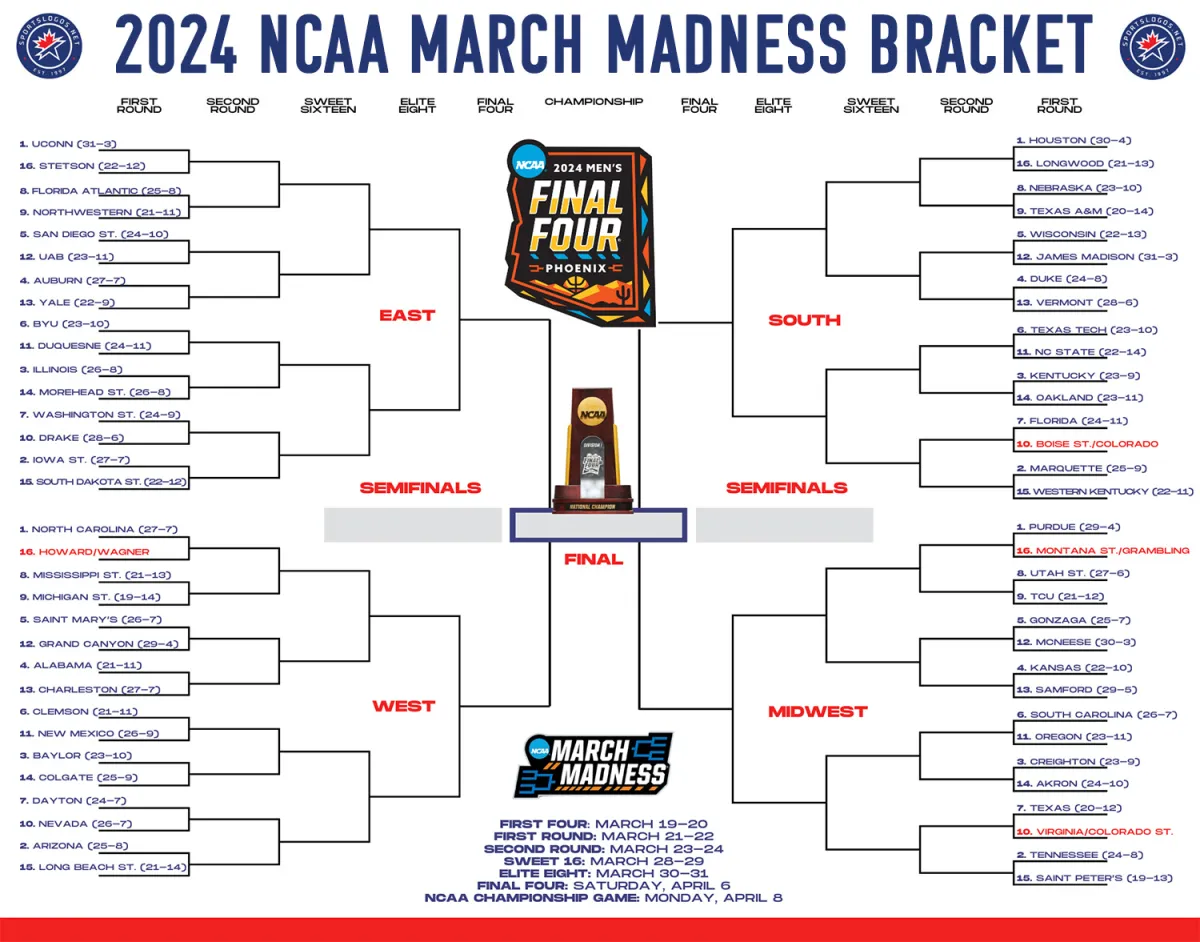 Photo: March Madness, via content.sportslogos.net
Regional Rivalries on Schedule
The Greeks also invented the concept of scheduled rivalry games. The most intense competitions weren't random encounters—they were carefully planned matchups between traditional enemies, held at regular intervals to maximize drama and attendance.
Athens versus Sparta wasn't just a political rivalry; it was an athletic brand that drew spectators from across the Mediterranean. These scheduled confrontations created sustained interest in athletic competition, giving fans something to anticipate and argue about during the off-season.
Modern American sports leagues have perfected this Greek innovation. Yankees-Red Sox, Lakers-Celtics, Alabama-Auburn—these aren't accidental rivalries. They're carefully maintained competitive relationships that generate interest and revenue through predictable, regularly scheduled confrontations.
The Qualification System
Perhaps the Greeks' most sophisticated calendar innovation was the qualification system. Athletes couldn't simply show up at major competitions; they had to prove their worthiness through a series of smaller contests held throughout the competitive cycle.
This created a hierarchical competition structure that kept athletes engaged year-round while ensuring that major events featured only the most skilled competitors. Local competitions fed into regional championships, which determined who could compete at pan-Hellenic festivals.
Every major American sport follows this Greek-inspired qualification model. College basketball's March Madness requires teams to earn their tournament spots through regular season and conference tournament performance. The Olympics use qualifying standards and trials. Even professional leagues use draft systems and playoff structures that echo ancient Greek competitive hierarchies.
Why Ancient Timing Still Rules
The Greek athletic calendar wasn't just about organizing competition—it was about creating sustainable athletic culture. By synchronizing training, competition, and recovery periods, they built a system that could produce elite athletes generation after generation.
Modern sports science has validated almost every aspect of the Greek competitive calendar. Seasonal periodization, structured training cycles, and regular competition schedules optimize athletic performance while minimizing injury risk. The Greeks figured out through trial and error what we now understand through biomechanics and sports psychology.
The next time you check the NFL schedule or fill out your March Madness bracket, remember that you're participating in a cultural tradition that stretches back to ancient Olympia. The Greeks didn't just give us competitive athletics—they gave us the temporal framework that makes modern sports possible. Every game time, every season, every championship cycle follows patterns established by ancient priests who believed the gods themselves had ordained when human beings should compete for glory.
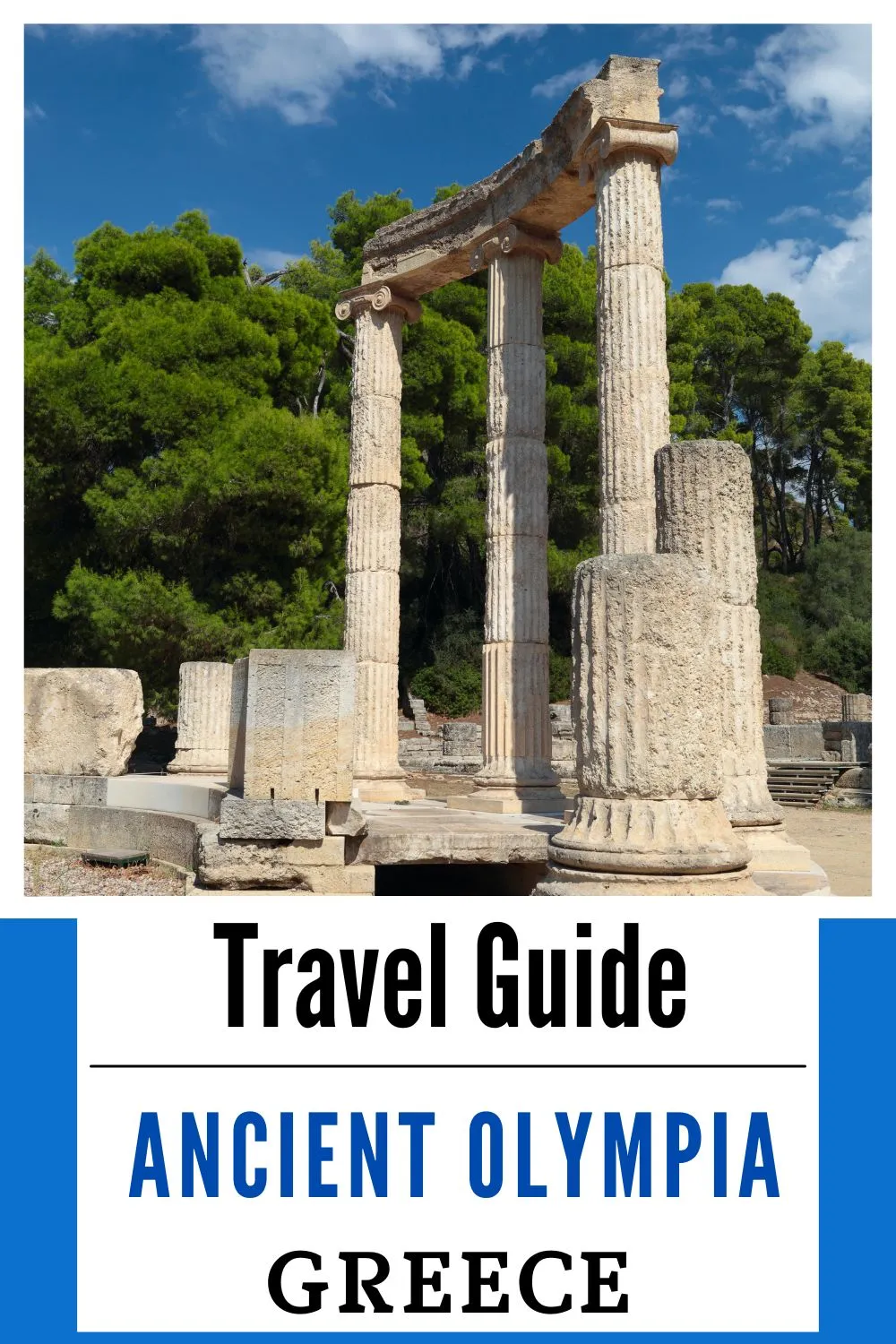 Photo: ancient Olympia, via unfoldinggreece.com