America's Wrestling Obsession Has Ancient Roots: The 2,800-Year Journey From Olympia to Your Local Gym
The Sport That Never Changed
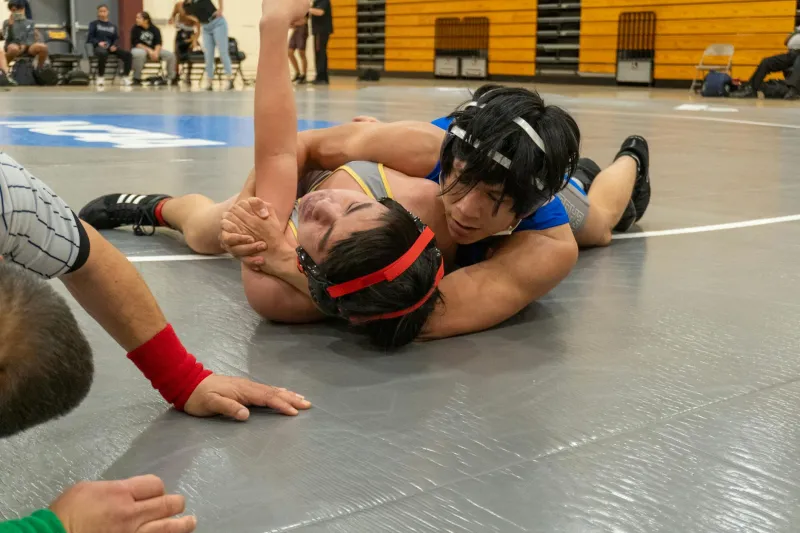
In a corner gym in Iowa, a teenage wrestler shoots for a double-leg takedown. In a UFC octagon in Las Vegas, a fighter sprawls to defend against the same attack. In ancient Olympia, a Greek athlete named Milo of Croton used identical techniques to dominate wrestling competition for over two decades. Separated by 2,800 years, these three athletes share something remarkable: they're essentially playing the same sport.
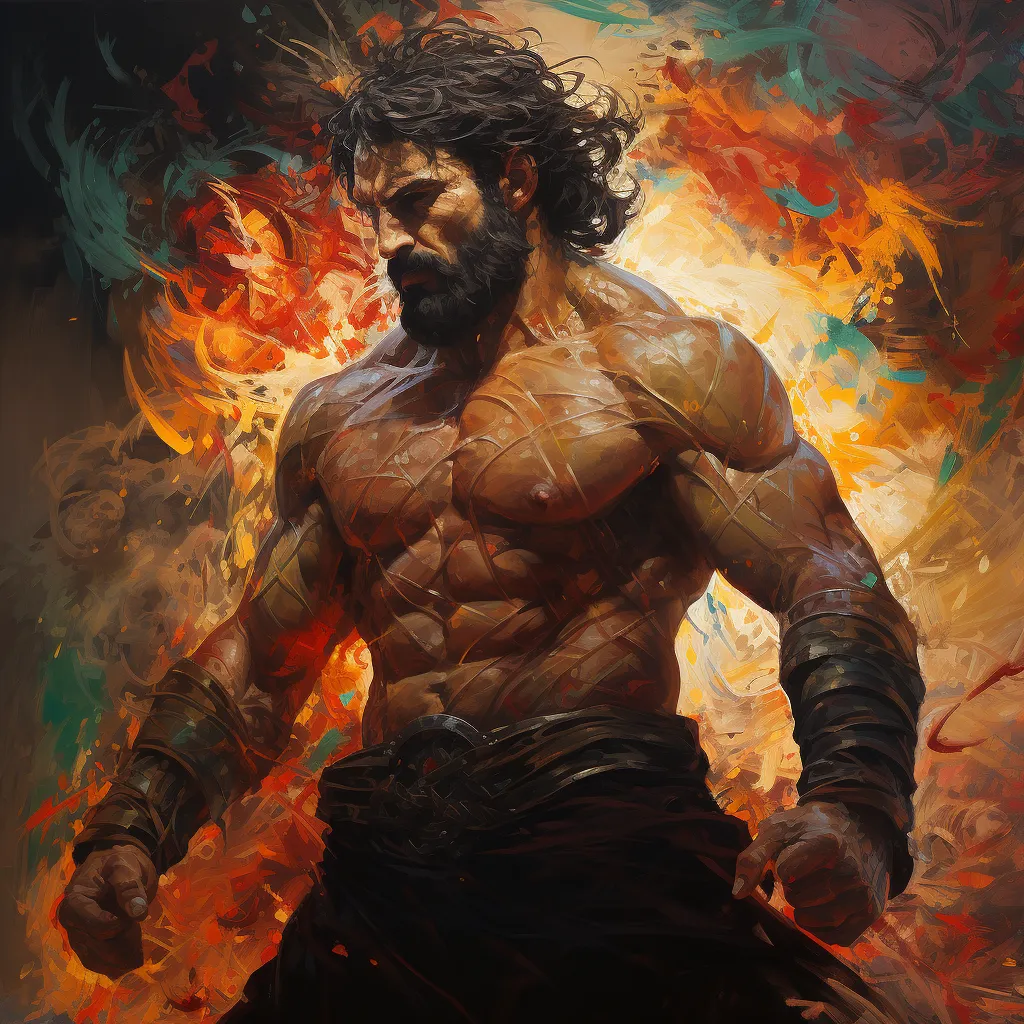 Photo: Milo of Croton, via spiralworlds.com
Wrestling might be the only athletic competition that an ancient Greek Olympian could walk into today and immediately understand. The rules have been refined, the scoring has been modernized, but the fundamental contest — two humans using leverage, strength, and technique to control each other's bodies — remains virtually unchanged.
From Sacred Sand to American Mats
Ancient Greek wrestling, called "pale," was one of the most prestigious events at Olympia. Wrestlers competed naked, covered in olive oil, on a sand surface that was considered sacred. Victory came through throwing your opponent to the ground three times or forcing them to submit. Sound familiar?
The techniques that dominated ancient competition — hip tosses, leg attacks, defensive sprawls — are identical to what American wrestlers learn today. Ancient Greek wrestling manuals, when they've been discovered and translated, read like modern coaching guides. The human body hasn't changed, and neither have the most effective ways to use it in combat.
The Roman Connection That Saved Wrestling
When the Roman Empire absorbed Greek culture, wrestling came along for the ride. But the Romans added something crucial: they made it a training tool for soldiers. This decision saved wrestling from becoming a historical curiosity and turned it into a practical skill that spread throughout the empire.
As the Roman Empire expanded and eventually collapsed, wrestling techniques scattered across Europe, preserved by military traditions and folk customs. Every culture that Romans touched developed its own wrestling style, but the core techniques remained recognizably Greek.
How Wrestling Conquered America
When European immigrants arrived in America, they brought their wrestling traditions with them. German settlers brought their "ringen," Irish immigrants brought their "collar-and-elbow" style, and English colonists brought "catch-as-catch-can." All of these styles traced back to ancient Greek techniques, filtered through centuries of European folk wrestling.
By the 1800s, wrestling had become America's most popular participatory sport. Every town had wrestlers, every county fair featured wrestling matches, and legendary figures like Abraham Lincoln built reputations partly on their wrestling prowess. Lincoln reportedly lost only one match in his entire amateur career.
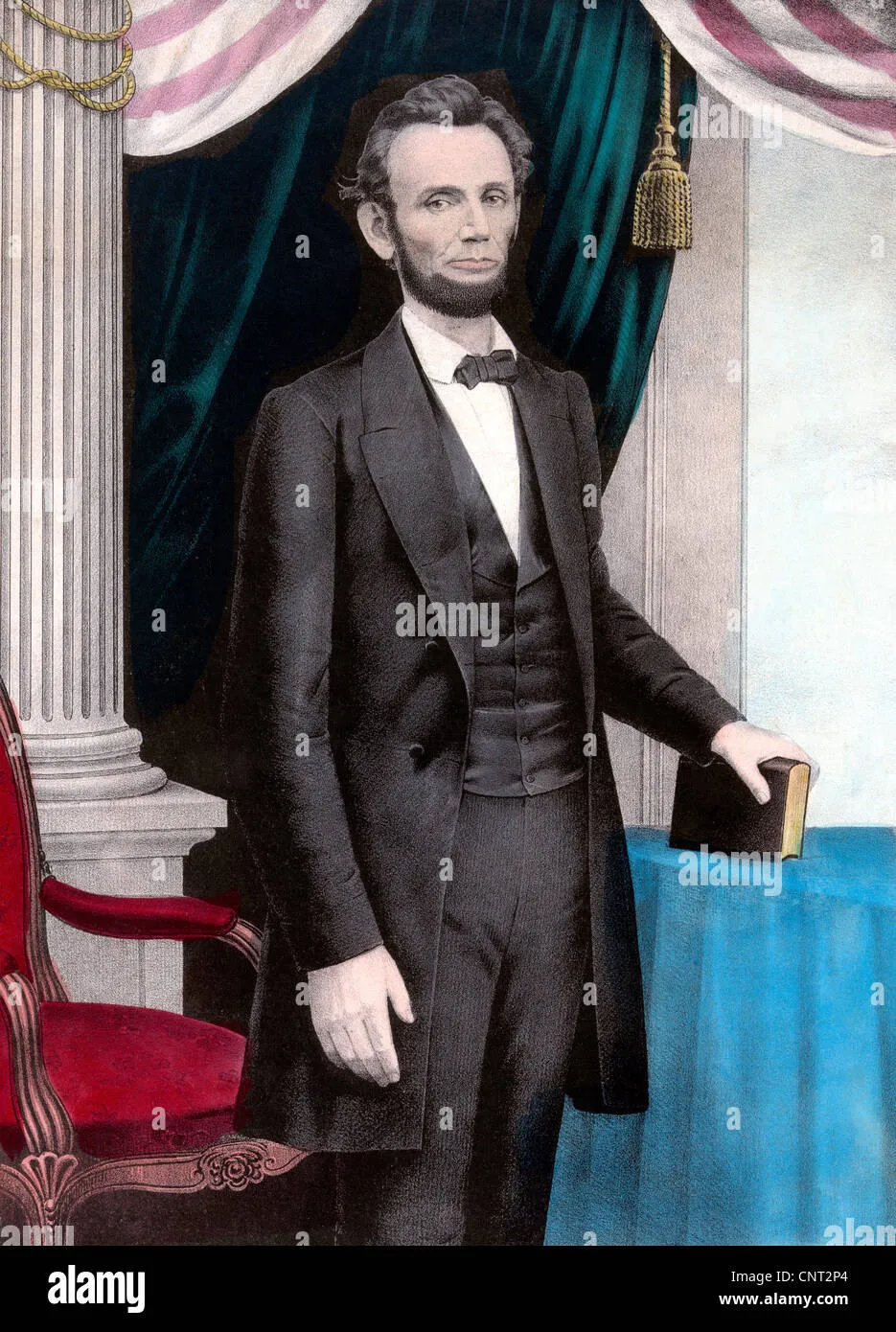 Photo: Abraham Lincoln, via c8.alamy.com
The High School Revolution
The transformation of wrestling from folk entertainment to organized sport happened in American high schools and colleges. In 1903, the first official collegiate wrestling championship was held, and by the 1920s, wrestling had become a standard part of American physical education.
This institutionalization did something remarkable — it preserved ancient Greek wrestling techniques in their purest form. While professional wrestling evolved into entertainment and folk wrestling faded away, American scholastic wrestling maintained the technical standards and competitive integrity that would have been familiar to ancient Olympians.
The MMA Connection
When mixed martial arts exploded in popularity in the 1990s, American wrestlers suddenly found themselves at the center of a combat sports revolution. Fighters with collegiate wrestling backgrounds — Dan Severn, Mark Coleman, Matt Hughes — dominated early UFC competitions using techniques that were fundamentally unchanged from ancient Greece.
Today's MMA training camps spend enormous amounts of time on wrestling fundamentals. The sprawl, the double-leg takedown, the hip toss — these ancient Greek techniques became the foundation of modern mixed martial arts. When Khabib Nurmagomedov or Daniel Cormier control opponents on the ground, they're using leverage and positioning concepts that Milo of Croton would recognize instantly.
Why Wrestling Survived When Other Ancient Sports Didn't
Chariot racing disappeared when horses stopped being military assets. Ancient boxing evolved beyond recognition. But wrestling survived because it solved a fundamental human problem: how do you subdue another person without weapons?
This practical application kept wrestling alive through dark ages, religious persecution, and cultural upheavals. Soldiers needed to know how to fight without swords. Police needed to know how to arrest suspects without killing them. Parents wanted their children to learn self-defense.
The Unbroken Chain
Today, when American wrestlers learn to "sprawl and brawl" or "shoot and score," they're participating in an unbroken chain of technical knowledge that stretches back to ancient Olympia. The terminology has changed — Greeks didn't talk about "takedowns" or "escapes" — but the movements, the strategies, and the fundamental contest remain identical.
This makes American wrestling culture something unique in sports history: a direct, unfiltered connection to the ancient world. Every wrestling room in America, from elementary schools to Olympic training centers, is a living museum of ancient Greek athletics. And every wrestler, whether they know it or not, is carrying forward a tradition that predates written history and has survived everything civilization could throw at it.