No Replay, No Problem: How a Disputed Finish at the 1896 Olympics Invented Modern Sports Officiating
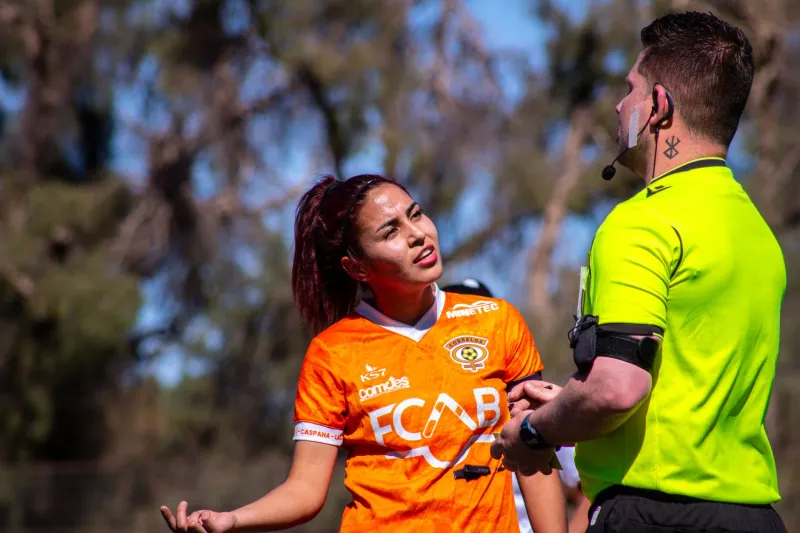
Bill Belichick throws the red flag. A coach in the NBA calls timeout to trigger a replay review. A baseball manager storms out of the dugout to argue a call at second base. These moments feel distinctly modern — products of the camera age, the instant-replay era, the relentless demand for precision in professional sport.
But strip away the technology, and what you're really watching is a problem as old as organized competition itself: someone made a decision, someone else disagrees, and now the entire machinery of the sport has to figure out who's right.
That problem didn't start in the NFL or the NBA. It started, in recognizable form, on a running track in Athens, Greece, in the spring of 1896.
The Chaos Beneath the Ceremony
The modern Olympic Games launched with enormous idealism. Pierre de Coubertin, the French educator who drove the revival of the Olympics after a 1,500-year absence, imagined an international festival of athletic brotherhood — nations competing peacefully, records broken, humanity united through sport.
What he got, in addition to all of that, was a crash course in how difficult it is to run a fair competition when nobody completely agrees on the rules.
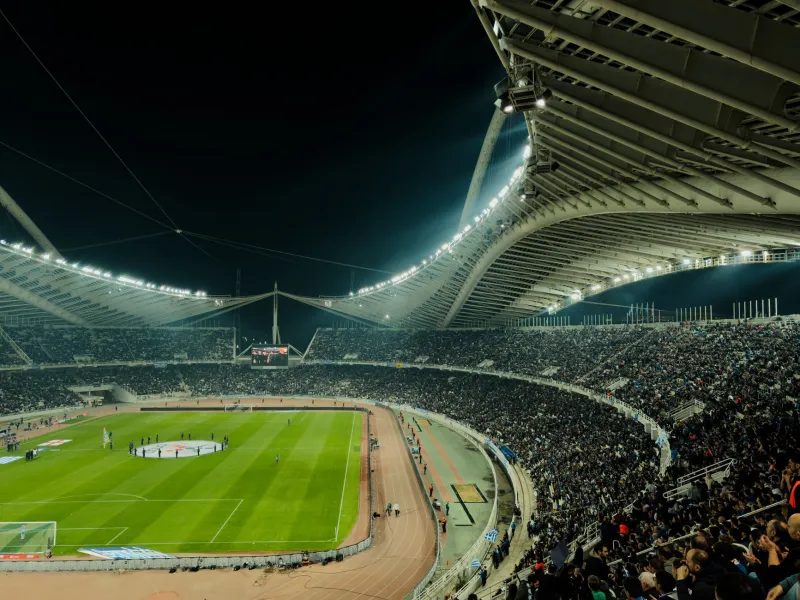
The 1896 Athens Games were remarkable in dozens of ways. Two hundred forty-one athletes from 14 nations competed across 43 events in a newly restored Panathenaic Stadium. It was the largest international sporting event the modern world had yet seen. It was also organized largely on the fly, with a patchwork of officials drawn from Greek athletic clubs, international volunteers, and royal appointees who didn't always share the same standards, language, or understanding of what they were supposed to be judging.
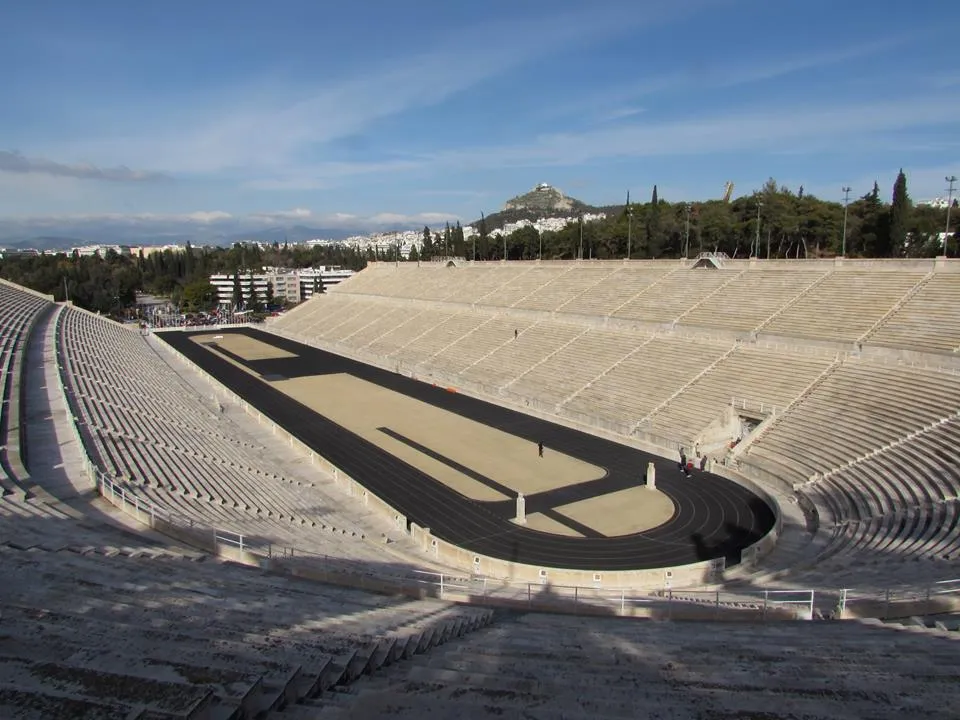 Photo: Panathenaic Stadium, via www.davestravelpages.com
Greek officials handled most of the on-site decisions. International competitors, many of them American college athletes who had traveled to Athens largely on their own initiative, didn't always know in advance exactly what the rules were — or who had final authority to enforce them.
When the Finish Line Wasn't the End of the Argument
The most consequential officiating controversies at Athens centered on events where human judgment was the only available tool. There were no cameras. There was no electronic timing in most events. Photo-finish technology didn't exist in any practical form. Officials watched with their eyes, conferred with each other, and made calls that athletes and coaches then had to accept — or didn't.
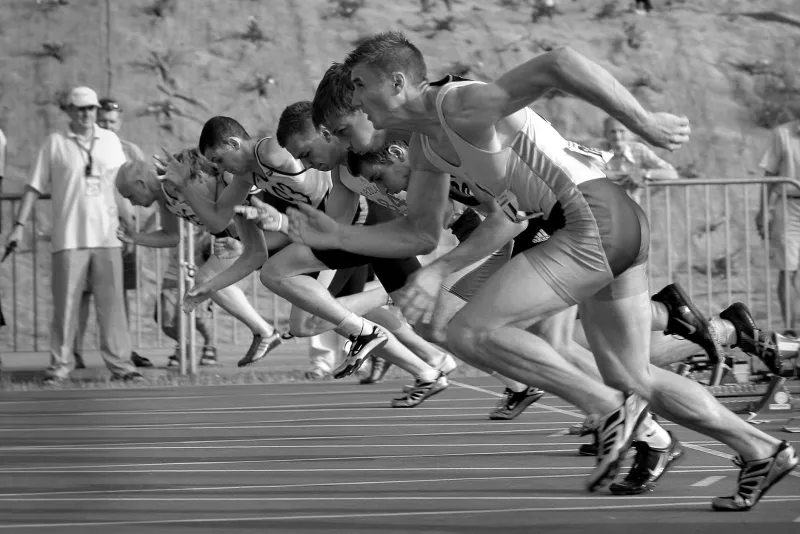
The 100-meter sprint provided one of the Games' most discussed judging moments. American sprinter Thomas Burke won the event, but the process of determining placings behind him involved officials comparing observations made from different vantage points with no objective record to consult. In several field events, disputes over measurement and technique forced officials to make judgment calls that left competitors from multiple nations frustrated.
The marathon — the event that captured the world's imagination most completely — produced its own officiating drama. Spyridon Louis, a Greek water carrier, won the race to enormous national celebration. But the first runner to enter the stadium was actually Spyridon Belokas, another Greek competitor, who was subsequently disqualified after a Hungarian athlete reported that Belokas had ridden in a carriage for part of the course. The disqualification was upheld — but it was based entirely on a competitor's testimony, with no independent verification possible.
Somebody had to make a call. Somebody did. And the sporting world moved on, carrying the unresolved tension between human judgment and objective truth that would define officiating debates for the next 130 years.
The Ancient Precedent
What's striking about these early modern Olympic controversies is how directly they echoed problems from the ancient Games themselves. The Hellanodikai — the judges who officiated at Olympia — held enormous authority and were trusted to make binding decisions on everything from false starts to accusations of bribery. Their rulings were final. There was no appeals process beyond the judges themselves.
Ancient Olympic history is dotted with disputes over judging. Competitors accused each other of cheating. Officials were themselves sometimes accused of corruption. The ancient Greeks understood that the legitimacy of athletic competition depended entirely on the perceived fairness of the people making the calls — and they also understood, uncomfortably, that perception and reality didn't always match.
The 1896 Games inherited this tension without inheriting the Hellanodikai's centuries of institutional authority. Modern international sport had to build its officiating credibility from scratch, in public, with the whole world watching.
How Controversy Built the Rulebook
The disputes at Athens — and at every subsequent Olympics — forced international sports organizations to do something ancient athletic festivals never fully managed: write everything down. The IOC and individual sport federations spent the decades following 1896 systematically codifying rules, establishing appeals processes, and creating officiating standards that could be applied consistently across different nations and cultures.
This is exactly how American professional sports developed their own officiating infrastructure. The NFL didn't introduce the instant-replay review system because everything was going fine. It introduced replay because enough high-profile blown calls had accumulated to make the status quo politically untenable. The NBA's challenge system, MLB's expanded replay review — these weren't innovations born from satisfaction. They were responses to crisis, to the accumulated weight of decisions that turned out to be wrong and couldn't be undone.
The pattern is identical to what happened after 1896: controversy reveals the gap between what officials can reliably judge with human perception alone and what the sport actually requires for legitimacy. Technology then fills that gap — until the next gap appears.
The Call That Will Never Be Perfect
Here's what makes the officiating problem genuinely unsolvable: sport requires real-time decisions, and reality is complicated. Even with 20 camera angles and frame-by-frame analysis, the NFL still produces plays where the ruling on the field stands because the evidence isn't conclusive enough to overturn it. The NBA's challenge system has a defined scope — it can't review every call, because if it could, games would never end.
The 1896 officials in Athens, squinting at a finish line with no camera and no clock, were dealing with an extreme version of a problem that every sport still deals with today. Their tools were primitive. Their authority was improvised. But the question they were trying to answer — what actually happened, and who gets to say so? — is exactly the question an NFL official answers when he reviews a replay in a booth above MetLife Stadium.
Why the Starting Line Matters
Sport Origins exists to trace where athletic traditions actually begin, and the history of officiating is one of the most honest mirrors the sporting world has. Every replay system, every challenge flag, every umpire review is an admission that human judgment alone isn't sufficient — and a tribute to the fact that fairness matters enough to keep trying to get closer to it.
The officials at Athens in 1896 didn't have the tools to get it right every time. Neither do we, entirely, in 2025. But the argument they started — about authority, accuracy, and what it truly means to win a competition legitimately — is one of the most important conversations sport has ever had. And it's still going.