The Birth of Being Number One
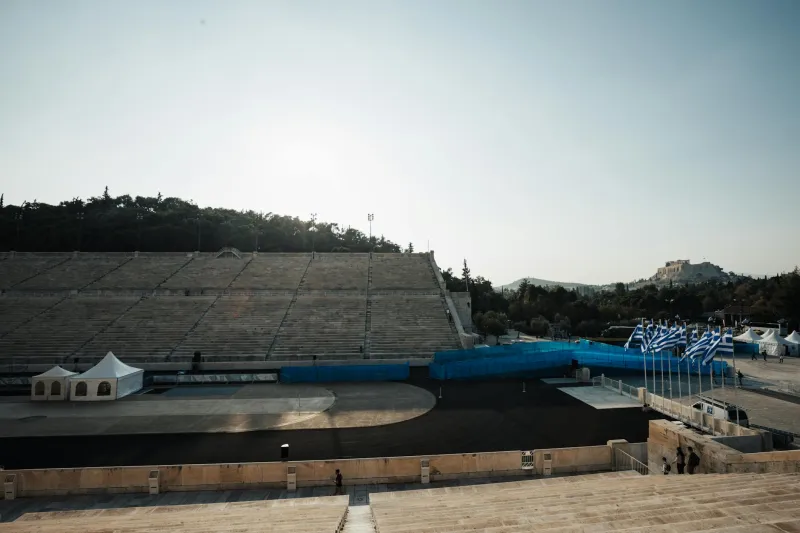
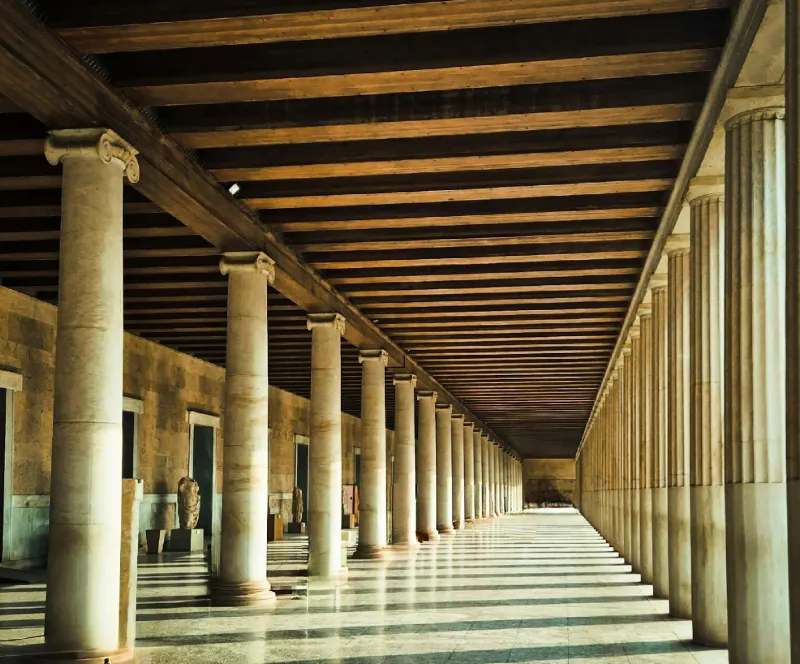
Every October, millions of Americans watch the World Series champion celebrate with champagne and a gleaming trophy. Every February, the Super Bowl winner hoists the Lombardi Trophy above their heads. Every March, college basketball players cut down nets as confetti falls from arena rafters. These moments feel uniquely American, but they're actually following a script written 2,800 years ago in ancient Greece.
The Greeks didn't just invent athletic competition — they invented the entire concept of what it means to be a champion. Long before anyone thought to engrave names on silver cups or hand out rings, Greek athletes were competing for something far more powerful: divine favor, eternal glory, and the right to call themselves the best in the world.
More Than Just Winning
When we think about ancient Olympic champions, we often imagine them receiving olive wreaths — simple crowns made from branches of the sacred olive tree near Zeus's temple. But that olive wreath represented something revolutionary: the idea that one person could be definitively declared the greatest at something.
Before the Greeks, athletic contests existed, but they were usually part of religious ceremonies or military training. The concept of a formal championship — with clear rules, defined winners, and lasting recognition — was a Greek innovation that changed human culture forever.
The Greeks created four major championship circuits called the Panhellenic Games: the Olympics at Olympia, the Pythian Games at Delphi, the Nemean Games, and the Isthmian Games. Athletes who won all four became "periodonikes" — circuit champions. Sound familiar? It's the same concept behind tennis's Grand Slam or golf's major championships.
The Science of Sacred Victory
What made Greek championships different wasn't just the competition — it was the ceremony. Winners underwent elaborate rituals that transformed them from ordinary athletes into living legends. They received their crowns in religious ceremonies, had victory odes written about them by famous poets, and returned home to parades where crowds literally tore down city walls to let them enter.
This wasn't just about sports. The Greeks understood something profound: championships create shared cultural moments that bind communities together. When Milo of Croton won wrestling six times at the Olympics, he wasn't just a strong guy — he became a symbol of Greek excellence that inspired an entire civilization.
The victory rituals were carefully designed to create lasting memories. Winners had their names inscribed on permanent records, received lifetime honors in their home cities, and were remembered in stories passed down through generations. The Greeks invented the hall of fame concept 2,500 years before Cooperstown.
From Olive Wreaths to Golden Trophies
The direct line from ancient Greek championships to modern American sports runs through the revival of the Olympics in 1896, but the influence goes much deeper. When Americans started organizing professional sports leagues in the late 1800s, they unconsciously adopted the Greek championship model.
The World Series, first held in 1903, follows the Greek pattern: a season-long competition culminating in a final championship series, with the winners receiving lasting recognition and their names permanently recorded. The Super Bowl trophy presentation, with its elaborate ceremony and confetti, mirrors the religious pageantry of ancient Olympic victory celebrations.
Even the NCAA tournament's "March Madness" structure — single elimination leading to one ultimate champion — reflects the Greek idea that true championships require dramatic, high-stakes competition where everything is on the line.
The Championship Mindset
Perhaps most importantly, the Greeks created the psychological framework that still drives championship sports today. They understood that competition isn't just about physical ability — it's about mental strength, preparation, and the ability to perform when everything matters most.
Greek athletes trained for years for competitions that lasted minutes. They understood that becoming a champion required total dedication, not just natural talent. This mindset directly influenced how Americans approach championship sports, from the year-round training of professional athletes to the "championship or bust" mentality that defines elite competition.
The Greeks also created the concept of the "clutch" performer — the athlete who rises to the occasion when the stakes are highest. Their stories of athletes achieving superhuman feats in championship moments established the template for legendary American sports performances, from Joe Montana's Super Bowl drives to Michael Jordan's playoff heroics.
The Eternal Championship
Today, when Patrick Mahomes holds up the Lombardi Trophy or when the Golden State Warriors celebrate an NBA championship, they're participating in a tradition that began in ancient Olympia. The details have changed — bronze medals instead of olive wreaths, television coverage instead of victory odes — but the essential elements remain the same.
The Greeks gave us more than just athletic competition. They gave us the idea that human excellence could be measured, celebrated, and remembered forever. They created the championship format that still governs how we determine the best in everything from football to chess to hot dog eating.
Every time an American athlete stands on a podium, receives a trophy, or gets their name added to a championship banner, they're continuing a tradition that started when the first Greek athlete received an olive wreath and heard their name echo through history. The Greeks didn't just compete — they created the entire concept of what it means to be a champion.