The Olympics That Time Forgot
While American swimmers chase Michael Phelps' record and track stars dream of sub-10-second 100-meter dashes, they're competing in just a fraction of the original Olympic program. The ancient Greeks created sporting events so diverse and demanding that modern athletes would need completely different skill sets to compete.
Some of these lost events disappeared for good reasons—they were too dangerous, too expensive, or too culturally specific. But others vanished simply because the world moved on, leaving behind competitions that would showcase exactly the strengths that make American athletes dominant today.
If the International Olympic Committee somehow brought back these ancient events, the United States wouldn't just medal—they'd sweep entire categories.
The Hoplitodromos: When Football Players Could Win Olympic Gold
Imagine a 400-meter sprint, but the runners wear 50 pounds of bronze armor, carry an eight-foot spear, and hold a shield the size of a manhole cover. Welcome to the hoplitodromos, the armed race that closed every ancient Olympic Games.
This wasn't just athletics—it was military training disguised as sport. Greek soldiers needed to sprint in full battle gear, whether charging enemy lines or retreating from superior forces. The hoplitodromos tested exactly those skills, rewarding athletes who combined pure speed with the strength to carry substantial weight.
American football players would absolutely dominate this event. NFL linemen regularly sprint while wearing 20+ pounds of equipment and maintain their speed despite constant physical contact. College football combines already train athletes to be explosive while heavily loaded—the hoplitodromos would just be their normal Tuesday workout with different gear.
Consider that the average NFL defensive end runs a 4.6-second 40-yard dash while weighing 270 pounds. Give that same athlete a bronze breastplate instead of shoulder pads, and he'd leave ancient Greek warriors in the dust. The event that once crowned the ultimate soldier-athlete would become another showcase for American football's unique combination of size, speed, and power.
Chariot Racing: NASCAR Meets Kentucky Derby
Chariot racing was the most prestigious event in the ancient Olympics, combining the speed of horse racing with the skill of motorsports. Drivers navigated tight turns at high speeds while controlling four horses, facing crashes that regularly killed both horses and humans.
The event required split-second decision-making, precise vehicle control, and the ability to maintain focus while surrounded by chaos—exactly the skills that NASCAR drivers develop over decades of competition.
American dominance in motorsports isn't accidental. The United States has more racetracks, more racing series, and more professional drivers than any other country. American drivers learn to handle powerful, dangerous machines from childhood, developing the reflexes and risk management that chariot racing demanded.
Modern NASCAR drivers like Kyle Larson regularly transition between different racing disciplines—stock cars, sprint cars, dirt tracks—adapting their techniques to whatever vehicle they're piloting. That versatility would translate directly to chariot racing, where drivers needed to read their horses, adjust to track conditions, and make tactical decisions at 30+ mph.
The ancient Greeks may have invented chariot racing, but Americans perfected the underlying skills through centuries of automotive innovation.
The Pankration: MMA's Ancient Ancestor
Long before the UFC existed, ancient Greeks created the pankration—a no-holds-barred combat sport that combined wrestling, boxing, and submission fighting. Only eye-gouging and biting were forbidden; everything else was legal, including joint locks, chokes, and strikes to downed opponents.
This wasn't just fighting—it was problem-solving under extreme stress. Pankration athletes needed to master multiple combat disciplines, adapt their strategy mid-fight, and maintain technique while exhausted and injured.
American mixed martial arts has produced the most complete fighters in combat sports history. Athletes like Jon Jones and Daniel Cormier seamlessly blend wrestling, boxing, jiu-jitsu, and kickboxing into unified fighting systems that would have amazed ancient Greeks.
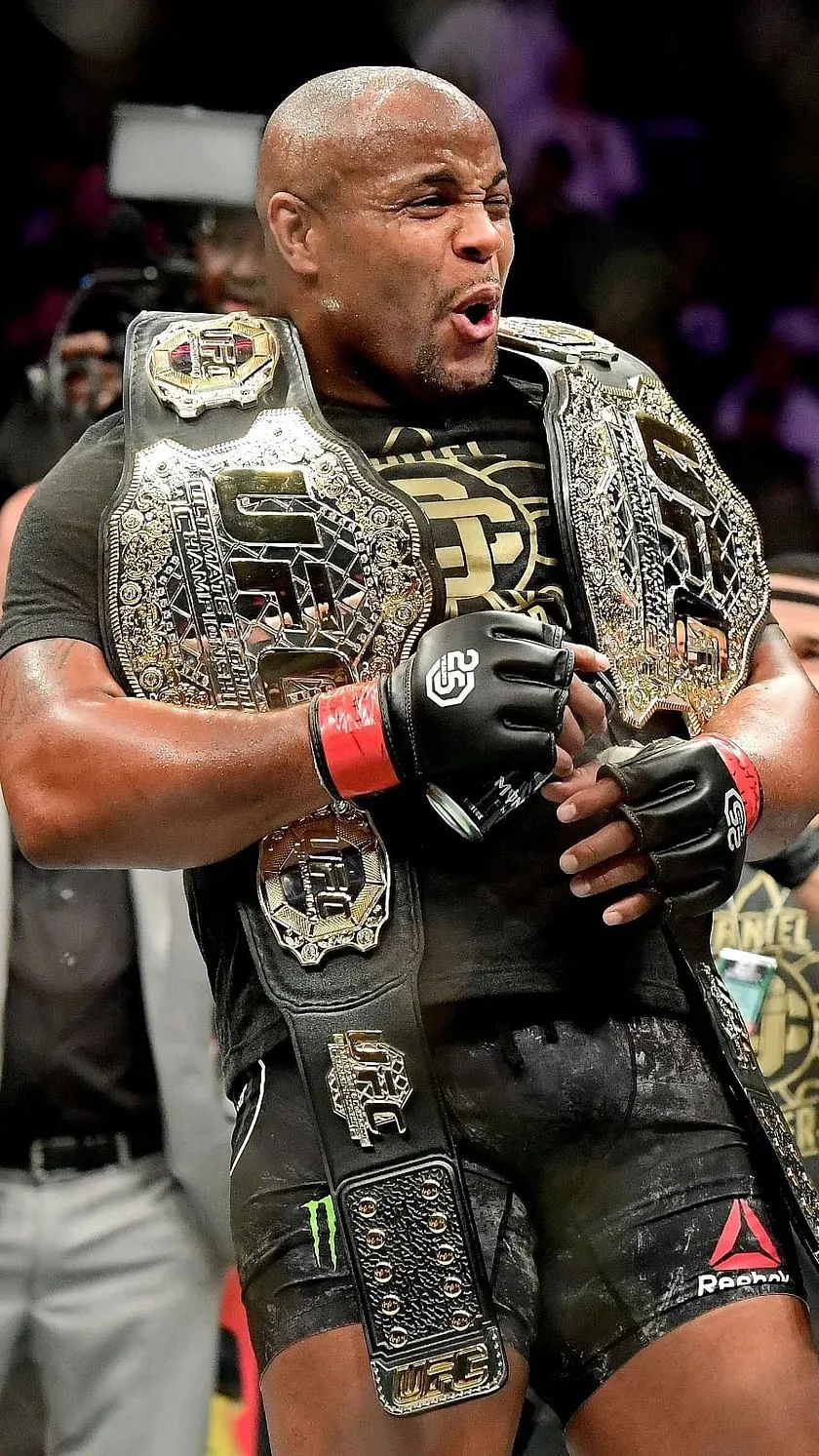 Photo: Daniel Cormier, via wallpaperaccess.com
 Photo: Jon Jones, via www.bjpenn.com
The United States dominates MMA because American athletes grow up playing multiple sports, learning to adapt and combine different skill sets. High school wrestlers become college football players who later train boxing and jiu-jitsu. That multi-sport background creates exactly the versatility that pankration required.
Ancient pankration champions like Arrichion and Dioxippus were celebrated as the ultimate athletes because they mastered every aspect of combat. Modern American MMA fighters have taken that concept even further, using sports science and cross-training to create fighting abilities that would have seemed superhuman to ancient audiences.
The Keles: Extreme Horsemanship
The keles was bareback horse racing with no saddle, no stirrups, and no safety equipment. Riders controlled powerful horses using only their legs and balance, racing at full speed around a track that claimed lives regularly.
American rodeo culture would translate perfectly to this ancient event. Bronc riders and bull riders already demonstrate the balance, core strength, and fearlessness that keles required. The difference is that rodeo athletes do it for eight seconds—keles riders needed to maintain control for entire races.
The American West produced generations of riders who lived on horseback, developing an intuitive connection with horses that went far beyond basic horsemanship. That cultural foundation still exists in rodeo communities where children learn to ride before they can walk properly.
Modern American equestrian athletes regularly compete in extreme disciplines like cross-country eventing, where riders navigate complex obstacles at high speeds. The skills needed for keles—balance, courage, and horse psychology—are exactly what American riders train for every day.
The Apene: Ancient Demolition Derby
The apene featured mule-drawn carts racing around the hippodrome, creating spectacular crashes as drivers pushed their animals beyond safe limits. It was part transportation race, part endurance test, and part comedy show—the ancient Greeks loved watching the chaos.
American motorsports culture would excel at this event because it rewards exactly the skills that demolition derby and dirt track racing develop: vehicle control in unpredictable conditions, strategic aggression, and the ability to keep going when everything falls apart.
The apene wasn't about having the fastest mules—it was about maintaining control when other drivers lost theirs. That's exactly what American dirt track racers do every weekend, navigating tight quarters while other cars spin out and crash around them.
Why These Events Disappeared
Most of these ancient events vanished because they were too dangerous for civilized society. The pankration regularly killed participants. Chariot racing bankrupted wealthy families who sponsored teams. The hoplitodromos became irrelevant when warfare moved beyond bronze armor and spears.
But their disappearance also reflects changing values. Ancient Greeks celebrated warrior-athletes who risked death for glory. Modern Olympics emphasize universal participation and athlete safety. The events that survived were those that could be made safer and more accessible.
The American Advantage
American athletes would dominate these lost Olympic events because the United States developed sporting cultures that emphasize exactly the skills ancient Greeks valued most: versatility, aggression, and the willingness to push physical limits.
Football creates athletes who combine size with speed. Motorsports develop precision under pressure. MMA produces complete fighters. Rodeo maintains the horsemanship traditions that most cultures abandoned centuries ago.
These aren't accidents—they're the result of American sports culture that rewards innovation, cross-training, and extreme performance. The same qualities that make American athletes dominant in modern Olympics would have made them unstoppable in ancient ones.
The Greeks created these events to find their ultimate warriors. If they came back today, they'd crown American champions.