The Original Ultramarathoners
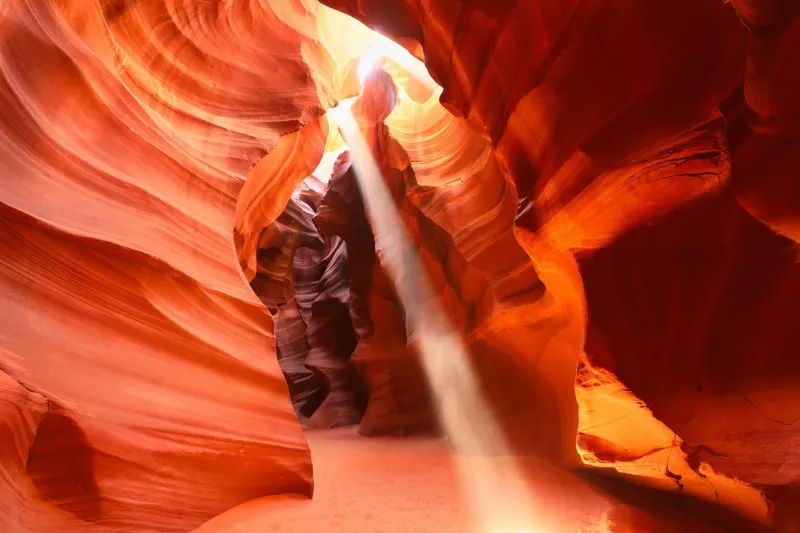
When Eliud Kipchoge broke the two-hour marathon barrier in 2019, running enthusiasts around the world marveled at human endurance pushed to its absolute limit. But in the canyons of Mexico's Copper Canyon, members of the Tarahumara tribe might have shrugged. Their ancestors had been running distances that would terrify modern ultramarathoners for over a thousand years—not for records or medals, but for survival, ceremony, and the pure joy of movement.
Long before European settlers arrived in the Americas, Indigenous nations across the continent had developed running cultures so sophisticated that they make today's training programs look elementary. The Tarahumara, known in their own language as the Rarámuri (literally "those who run fast"), regularly covered 200 miles in a single session, treating such distances as casual weekend entertainment rather than death-defying athletic feats.
When Running Was Religion
The difference between ancient Native American running and modern distance racing wasn't just about distance—it was about purpose. For tribes like the Hopi in Arizona, running served as a direct connection to the spiritual world. Young Hopi men would race from their mesa-top villages down to the Colorado River and back, a round trip of nearly 120 miles, as part of religious ceremonies designed to bring rain to their crops.
These weren't casual jogs. Hopi runners carried prayer sticks and corn pollen, stopping at sacred sites along the route to perform rituals that connected their physical effort to the cosmic order. The act of running itself was considered a prayer in motion, with each footfall representing a petition to the gods for their community's wellbeing.
The Zuni people of New Mexico took this spiritual connection even further, organizing elaborate relay races that could span several days and cover hundreds of miles. Runners carried messages between villages, but they also carried something more important: the collective hopes and prayers of their entire community.
The Science Behind Sacred Speed
What made these ancient runners so extraordinarily capable? Modern sports science is only beginning to understand the training methods that Indigenous communities perfected over centuries. The Tarahumara, for instance, developed a running technique that maximizes efficiency while minimizing injury—landing on the forefoot rather than the heel, maintaining perfect posture, and breathing in rhythm with their steps.
More importantly, they understood something that modern endurance athletes are still learning: that mental conditioning matters as much as physical preparation. Tarahumara children begin running almost as soon as they can walk, but they're not just building cardiovascular fitness. They're developing what psychologists now call "flow state"—the mental condition where physical effort becomes effortless and time seems to disappear.
Dr. Daniel Lieberman, an evolutionary biologist at Harvard, has spent years studying traditional running cultures. His research suggests that humans evolved specifically for long-distance running, and that Indigenous communities like the Tarahumara maintained this evolutionary advantage while European cultures largely abandoned it in favor of horses and wheels.
From Ceremony to Sport
The transformation of Native American running traditions into modern American distance racing didn't happen overnight, and it wasn't always pretty. As European settlers pushed westward, they often encountered Indigenous runners whose capabilities seemed almost supernatural. Army scouts reported Native Americans who could outrun cavalry horses over long distances, carrying messages across terrain that would challenge modern vehicles.
But it was the ceremonial aspects of Indigenous running that most profoundly influenced American athletic culture. The idea that physical challenge could serve as both personal test and community celebration found its way into American consciousness through frontier interactions and, later, through anthropological studies that revealed the sophisticated athletic traditions of Native peoples.
When the Boston Marathon was established in 1897, its founders probably didn't realize they were recreating—in simplified form—traditions that had existed on the North American continent for millennia. The marathon's emphasis on community participation, its spiritual undertones (many runners describe the experience in almost religious terms), and its celebration of human endurance over pure speed all echo the running ceremonies of Indigenous nations.
The Modern Connection
Today's American running boom owes more to Native American traditions than most participants realize. The popularity of trail running, ultramarathons, and "fun runs" that prioritize participation over competition directly mirrors the Indigenous approach to running as community celebration rather than elite sport.
Even the gear reflects ancient wisdom. The minimalist running shoe movement, which gained popularity in the early 2000s, was largely inspired by studies of traditional runners like the Tarahumara, who covered incredible distances in thin sandals made from old tire treads.
The spiritual dimension persists too. Ask any serious distance runner about their motivation, and you'll hear language that echoes Hopi and Zuni running ceremonies: running as meditation, as connection to nature, as a way to find meaning beyond the everyday world.
Where Every Record Has a Starting Line
When we talk about the origins of American distance running, we typically start with European immigrants and their athletic traditions. But the real starting line stretches back centuries before Columbus, carved into canyon trails by runners whose endurance capabilities would humble today's Olympic champions.
The Tarahumara, Hopi, Zuni, and dozens of other tribes didn't just run—they created a culture around running that understood something modern athletics is still trying to recapture: that the most meaningful athletic achievements aren't about beating other people, but about transcending your own limitations while serving something larger than yourself.
Every time an American laces up running shoes for a weekend 5K or tackles their first marathon, they're participating in a tradition that began not in ancient Greece, but in the mesas and canyons of their own continent. The records may be newer, but the starting line is older than we ever imagined.