The Site That Started It All
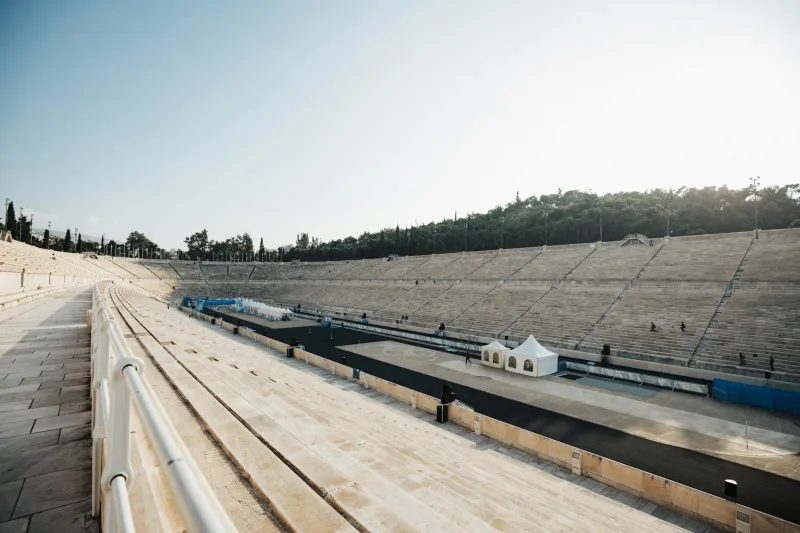
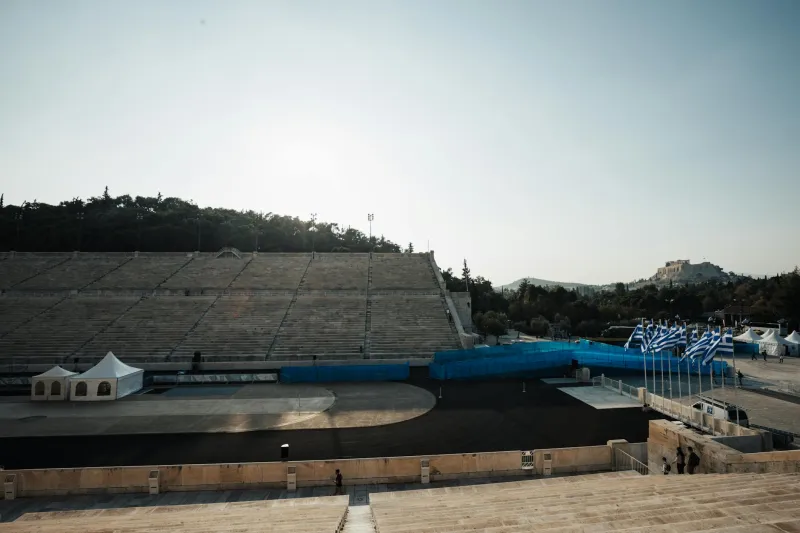
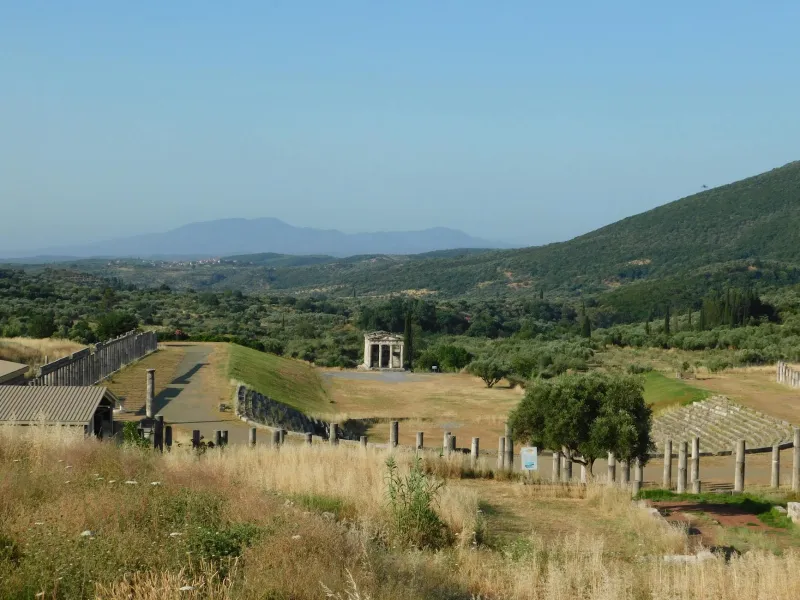
When ancient Greeks decided to build the world's first dedicated sports complex, they didn't just pick any random field in the Peloponnese. They chose Olympia with the precision of modern venue consultants, considering factors that would make any contemporary stadium designer nod in approval: natural acoustics, optimal sight lines, transportation access, and symbolic significance.
Nestled in a valley where the Alpheus and Kladeos rivers converged, Olympia offered something no other location could match—a natural amphitheater formation that would allow thousands of spectators to view competitions while the surrounding hills provided acoustic enhancement. Sound familiar? It should, because this exact formula has been replicated in virtually every major American sports venue built since the early 1900s.
Geography as Destiny
The ancient Greeks understood something that modern venue architects spend millions to recreate: the power of natural topography. Olympia's sloping hillsides eliminated the need for massive artificial structures, allowing spectators to sit on grass-covered banks that provided perfect views of the action below. The stadium's famous starting line—stone slabs with grooves for runners' feet—was positioned to take advantage of prevailing winds that would aid sprinters rather than hinder them.
This geographic advantage wasn't accidental. Ancient sources describe how Greek officials studied wind patterns, sun angles, and seasonal weather before finalizing the stadium's orientation. The result was a venue where athletic performances were enhanced rather than compromised by environmental factors—a principle that would later influence everything from the positioning of Wrigley Field's famous ivy walls to the careful orientation of modern NFL stadiums to minimize sun glare for television broadcasts.
The Sacred and the Spectacular
But Olympia's genius extended beyond mere geography. The Greeks understood that great sporting venues needed to be more than functional—they needed to be transformative. The sanctuary of Zeus, with its massive statue (one of the Seven Wonders of the Ancient World), served as the spiritual heart of the complex, elevating athletic competition from mere physical contest to religious experience.
This integration of the sacred with the sporting created an atmosphere that modern American venues have spent decades trying to recreate. Walk through Yankee Stadium's Monument Park, experience the mystique of Lambeau Field's frozen tundra, or feel the energy of Cameron Indoor Stadium during a Duke basketball game, and you're experiencing direct descendants of Olympia's original innovation—the idea that sports venues should be cathedrals of competition, places where ordinary athletic contests become extraordinary communal experiences.
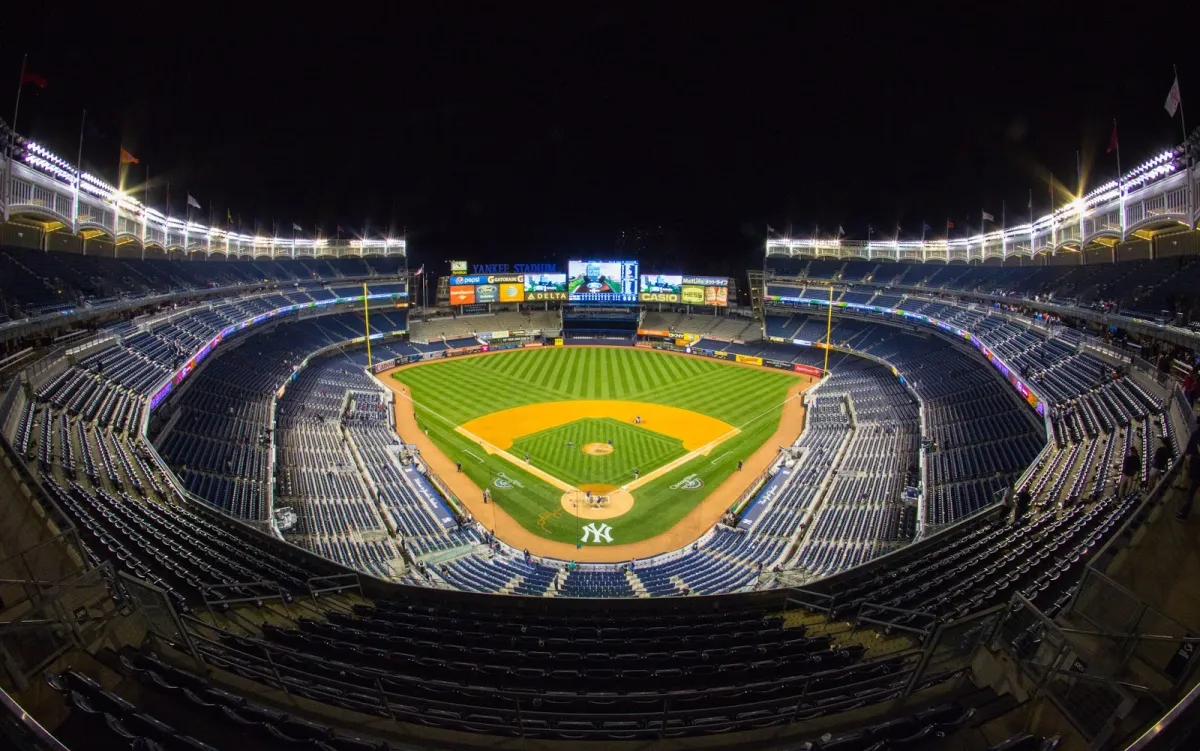 Photo: Yankee Stadium, via 4.bp.blogspot.com
The American Translation
When American architects began designing major sports venues in the early 20th century, they consciously borrowed from Olympia's playbook. The Rose Bowl, constructed in 1922, was deliberately built into Pasadena's natural Arroyo Seco canyon, using the existing topography to create sight lines and acoustics that rival any modern stadium. Like ancient Olympia, the Rose Bowl's designers understood that working with nature rather than against it would create a more powerful spectator experience.
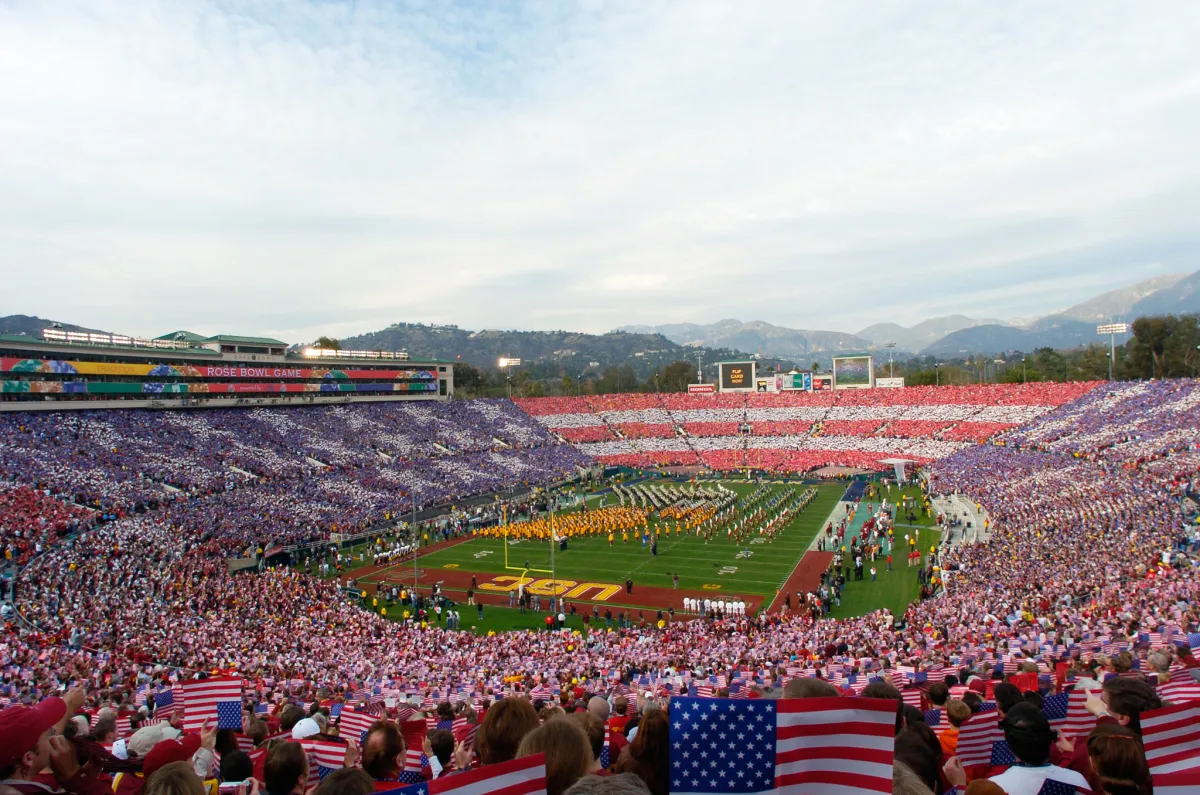 Photo: Rose Bowl, via a.espncdn.com
Yankee Stadium's original 1923 design incorporated similar principles. The famous "House That Ruth Built" was positioned to take advantage of prevailing wind patterns that would aid right-handed power hitters, while its imposing facade created the same sense of sacred space that the Temple of Zeus had provided at Olympia. Even the stadium's nickname—"The Cathedral of Baseball"—reflects this direct connection to ancient Greek concepts of sporting venues as holy ground.
The Science of Spectacle
Modern stadium designers have quantified what the ancient Greeks understood intuitively. The ideal viewing angle for athletic competition—between 30 and 34 degrees from the action—was achieved naturally by Olympia's hillside seating. This same angle is now mandated by FIFA for soccer stadiums and replicated in venues from MetLife Stadium to AT&T Stadium in Dallas.
The Greeks also pioneered the concept of "intimate distance"—the maximum distance from which spectators can still feel emotionally connected to the action. At Olympia, no spectator sat more than 200 feet from the competition, a principle that influences everything from baseball's warning track distances to basketball's courtside seating arrangements.
Transportation and Pilgrimage
Olympia's location wasn't just about geography and acoustics—it was about accessibility. The sanctuary sat at the intersection of major ancient trade routes, allowing visitors from across the Mediterranean to reach the games. The Greeks built extensive infrastructure to support the influx of pilgrims, including temporary housing, food vendors, and even primitive parking areas for chariots and carts.
This holistic approach to venue planning directly influenced American stadium development. When Walter O'Malley moved the Dodgers from Brooklyn to Los Angeles, he chose Chavez Ravine partly because of its freeway access and parking potential. Modern venues like AT&T Park in San Francisco or Nationals Park in Washington D.C. are positioned with the same careful consideration of transportation infrastructure that made Olympia accessible to the ancient world.
The Economics of Inspiration
The ancient Greeks also understood something that modern American sports business has embraced: great venues generate economic activity far beyond the events themselves. Olympia became a year-round destination, with visitors coming to train, worship, and conduct business even when the Games weren't in session. The sanctuary's fame attracted merchants, artists, and intellectuals, creating an economic ecosystem that sustained the entire region.
This model is visible today in venues like Augusta National Golf Club, which transforms a small Georgia town into an international destination once a year, or in the way that college towns like Ann Arbor or Tuscaloosa build their entire identities around their football stadiums. The Greeks showed that the right venue in the right location could become more than a sports facility—it could become a cultural and economic engine.
Legacy in Steel and Concrete
Every time you walk into a modern American stadium and feel that sense of anticipation, that electric atmosphere that makes ordinary games feel momentous, you're experiencing the legacy of ancient Olympia. The careful positioning for optimal viewing, the integration of natural and artificial elements, the sense of sacred space dedicated to athletic achievement—all innovations that began in a small valley in ancient Greece and continue to influence how America builds its sporting cathedrals.
The next time you're sitting in the stands at Fenway Park, watching the sunset paint the Green Monster, or experiencing the deafening roar of 80,000 fans at Michigan Stadium, remember that you're part of a tradition that stretches back nearly 3,000 years to those first spectators who gathered on the hillsides of Olympia to witness the birth of organized sport. The venues have grown larger and more sophisticated, but the fundamental principles—the marriage of geography, architecture, and human emotion that creates truly great sporting experiences—remain unchanged from that ancient Greek blueprint.