Picture an athlete who wakes before sunrise, follows a carefully designed nutrition plan, trains under a specialist coach, and spends years building toward a single competitive moment. Sounds like a modern Olympic hopeful grinding through a four-year cycle, right?
Now rewind 2,800 years.
The ancient Greek competitors who gathered at Olympia every four years lived a version of that same story — stripped down, literally and figuratively, to its most essential elements. No endorsement deals, no global broadcast rights, no synthetic tracks. Just bodies, discipline, and a burning desire to be the best.
The parallels between ancient Greek athletic culture and the world of elite American sport today are more striking than most people expect. So are the differences.
The Original Training Grind
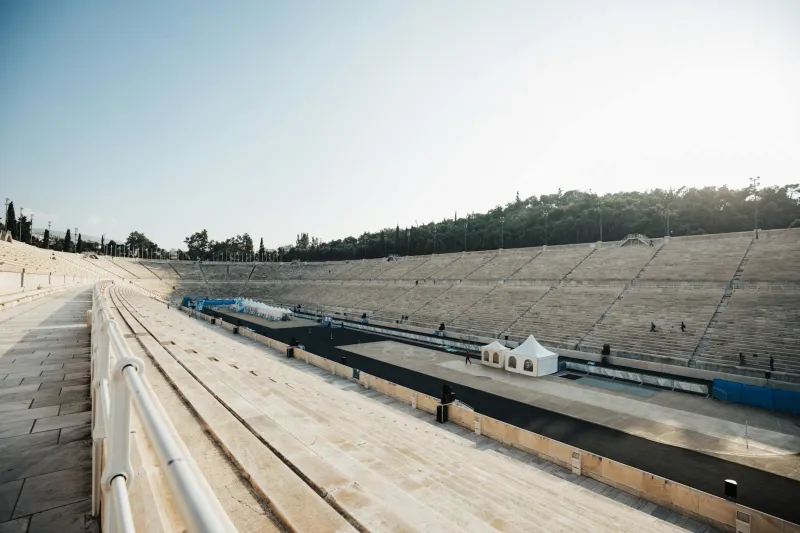
Ancient Greek athletes didn't just show up at Olympia and hope for the best. Participation in the Games required ten months of documented, supervised training — and for the final thirty days before competition, athletes were required to train at Olympia itself, under the direct observation of judges called Hellanodikai.
This wasn't optional. It wasn't a guideline. If you hadn't done the work, you didn't compete. Full stop.
The training took place in facilities called gymnasions — structured spaces specifically designed for athletic development. Athletes worked with paidotribes, specialized coaches who oversaw physical conditioning, and gymnastai, who handled broader athletic strategy and preparation. The division of labor between physical trainer and strategic coach maps almost directly onto the modern relationship between a strength-and-conditioning coach and a head coach.
Compare that to how a current NFL linebacker or Olympic sprinter prepares, and the architecture is familiar: a support team, a structured environment, a long runway of preparation leading to a high-stakes performance window.
Food as Fuel — Then and Now
Here's where things get interesting. Ancient Greek athletes were among the first people in recorded history to approach food as a performance variable rather than just sustenance.
Early Greek athletic tradition emphasized a diet of figs, fresh cheese, and wheat — relatively light foods considered appropriate for the body in motion. But by the classical period, around the 5th century BC, the thinking had shifted. Meat, particularly beef and pork, became central to the diets of serious competitors. The wrestler Milo of Croton — one of the most celebrated athletes of the ancient world, a six-time Olympic champion — was said to consume extraordinary quantities of meat and wine daily.
Was that scientifically optimal? By modern standards, probably not. But the underlying logic — that what you eat directly shapes what your body can do — was genuinely ahead of its time.
Today, the nutrition programs built around elite American athletes are staggeringly precise. NBA players work with registered dietitians who calibrate macronutrient ratios to match training phases. Olympic swimmers eat on schedules timed to their pool sessions. The specifics are different. The philosophy is the same one the Greeks were fumbling toward.
Mental Discipline: The Part That Hasn't Changed
One of the more surprising threads connecting ancient and modern athletic culture is the emphasis on psychological preparation.
Greek athletes were expected to demonstrate arete — a concept that translates roughly as excellence or virtue, but carries a deeper meaning: the full expression of one's potential through disciplined effort. Winning wasn't just physical. It was a moral achievement, a demonstration of character under pressure.
Listen to how modern American sports figures talk about mental preparation — the visualization practices of Michael Phelps, the pre-game routines of LeBron James, the psychological frameworks taught by sports psychologists across every major US league — and arete starts to sound less like an ancient concept and more like something a mental performance coach might say in a different vocabulary.
The Greeks didn't have sports psychology as a formal discipline. But they understood that the mind was part of the competition.
The Part That's Genuinely Shocking to Modern Eyes
For all the parallels, ancient Greek athletic culture had features that no modern American sports organization would recognize — or endorse.
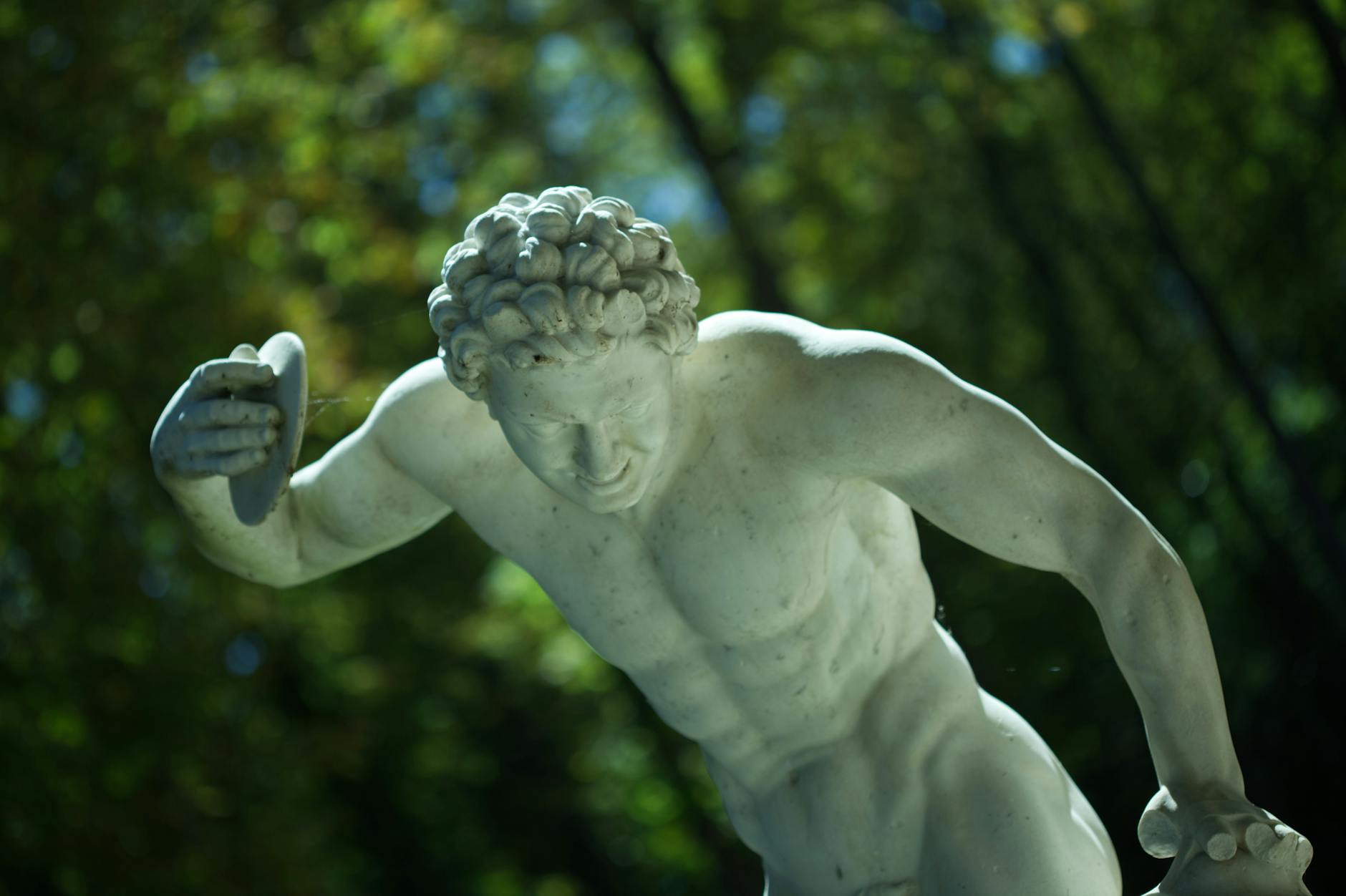
For starters, competition was conducted entirely in the nude. This wasn't incidental. It was deliberate. Nudity in Greek athletic culture carried symbolic weight, representing the pure, unadorned human form as an object of beauty and divine favor. The word gymnasium itself derives from the Greek gymnos, meaning naked.
Women were barred from competing and, in most accounts, barred from watching. The Games were a male space, tied to religious ritual and civic identity in ways that excluded women entirely — a stark contrast to the modern Olympic movement, which has progressively expanded toward gender equity and today features near-equal participation.
Athletes could also face severe punishment for rule violations. Cheating — including bribery — was taken seriously, and those found guilty faced public shaming and financial penalties. Statues of Zeus, paid for by fines levied on cheaters, lined the entrance to the Olympic stadium at Olympia. Every athlete walked past them on the way to compete.
There's something almost poetic about that. The ancient Greeks built the consequences of dishonesty into the physical landscape of the arena.
What Carries Forward
Elite American athletes today operate in a world of sports science, data analytics, and performance technology that ancient Greek competitors couldn't have imagined. The gap in resources, knowledge, and infrastructure is enormous.
But the core of what made someone an Olympic athlete in ancient Greece — the years of committed preparation, the relationship between coach and competitor, the understanding that the body and mind must be developed together, the willingness to sacrifice comfort for the possibility of excellence — that part hasn't changed at all.
The olive wreath is gone. The drive that earned it isn't.