The Split-Second Decision That Changed Everything
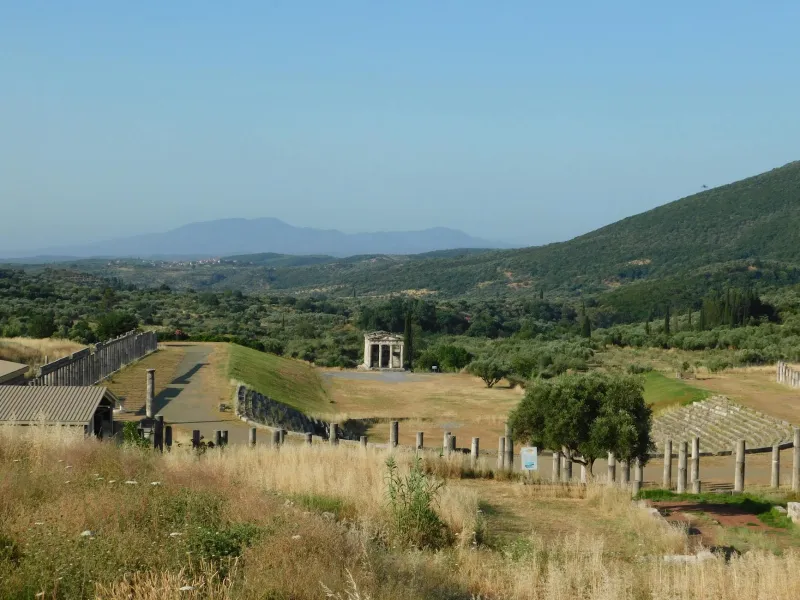
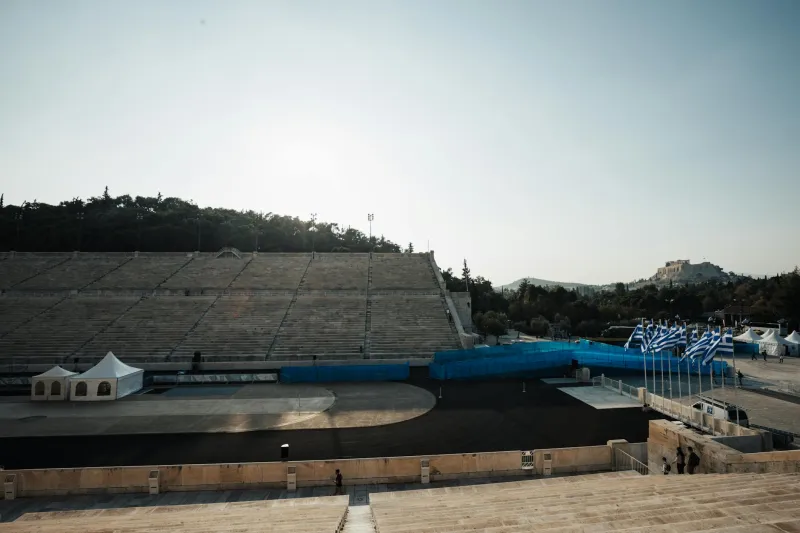
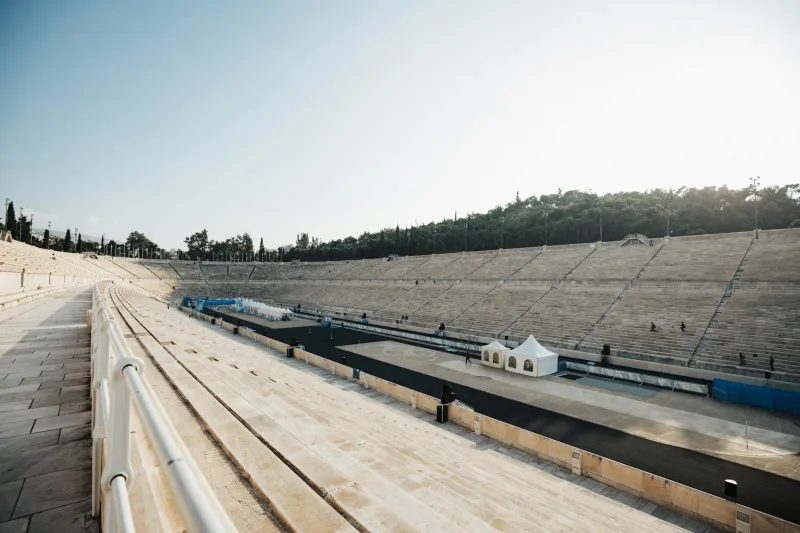
Picture this: It's 476 BC at Olympia, and two runners are barreling toward the finish line in the stadion race. There's no slow-motion replay, no electronic timing, no photo finish camera. Just three Greek officials squinting in the Mediterranean sun, trying to determine who crossed first in what might be the closest race in Olympic history.
This was the reality of ancient Greek athletics for over a millennium. Every sprint, every foot race, every moment of athletic glory came down to human eyeballs making split-second judgment calls. Yet somehow, this system worked so well that it became the foundation for every finish line technology we use today.
The Hellanodikai: Sport's First Professional Referees
The ancient Greeks didn't mess around when it came to judging. They created an entire class of officials called the Hellanodikai—literally "judges of the Greeks"—who underwent rigorous training for ten months before each Olympic Games. These weren't just random spectators with good eyesight; they were the ancient world's equivalent of today's certified track and field officials.
 Photo: Olympic Games, via c8.alamy.com
The Hellanodikai developed a sophisticated system for determining winners that relied on positioning, angle of observation, and what we'd now call "triangulation." Multiple judges were stationed at different points along the finish line, each responsible for confirming the results from their unique vantage point. If all judges agreed, the winner was declared. If they disagreed? That's where things got interesting.
When Eyes Disagreed: Ancient Greece's Photo Finish Controversies
Disputed finishes weren't uncommon in ancient Greece, and the Greeks had developed elaborate procedures to handle them. When judges couldn't agree on a winner, they would consult with additional officials and sometimes even declare a tie—awarding olive wreaths to multiple athletes.
One famous controversy involved a sprinter named Eupolemus of Elis, who was initially declared the winner of the stadion in 396 BC, only to have the decision overturned after other officials claimed they had seen his opponent cross first. The resulting dispute nearly caused a diplomatic incident between Greek city-states, proving that finish line controversies have been causing headaches for over two millennia.
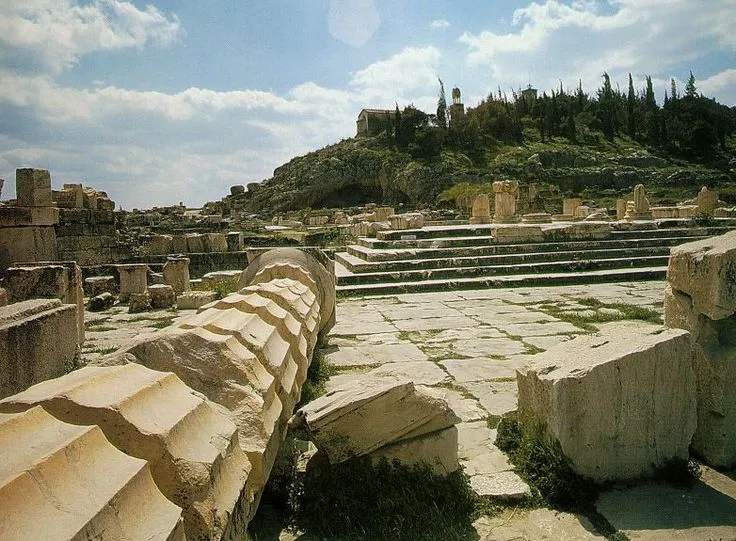 Photo: Eupolemus of Elis, via i.pinimg.com
The Greeks also dealt with what we'd now call "false starts" using purely visual methods. Officials would watch for runners leaving their starting positions before the signal, relying on their peripheral vision to catch cheaters while keeping their main focus on the finish line.
The Technology of Trust
What made the ancient system work wasn't just good eyesight—it was an elaborate network of checks and balances. The Hellanodikai wore distinctive purple robes that marked their authority, and their decisions were considered sacred. Disputing a judge's call wasn't just unsportsmanlike; it was considered an offense against the gods.
The Greeks also understood the importance of positioning. Lead judges were stationed directly at the finish line, while assistant judges were placed at angles that allowed them to see the runners' torsos crossing the plane. This multi-angle approach is essentially the same principle used by modern photo finish cameras, just executed by human eyes instead of electronic sensors.
From Olympia to Oregon: The DNA of American Track and Field
Walk into any major American track meet today—from the Penn Relays to the U.S. Olympic Trials in Eugene—and you'll see the direct descendants of those ancient Greek innovations. The head finish line judge still makes the final call, even with all our electronic timing systems. Photo finish cameras are positioned at multiple angles, just like those ancient Hellanodikai. And when technology fails? Officials still rely on their eyes, just as they did 2,500 years ago.
The NCAA track and field rulebook actually includes provisions for "backup timing" using stopwatches and visual confirmation, acknowledging that even in our high-tech era, human judgment remains the ultimate failsafe. When Usain Bolt set his world record of 9.58 seconds in Berlin, electronic timing confirmed what the judges' eyes had already seen.
The Legacy of Looking
The ancient Greek approach to finish line judging reveals something profound about the nature of athletic competition: at its core, sport is still about human performance witnessed by human eyes. All our technology—from the Omega timing systems at the Olympics to the FinishLynx cameras at high school meets—exists to enhance and confirm what officials can see, not replace human judgment entirely.
Today's photo finish technology can measure differences as small as one ten-thousandth of a second, but it still requires human officials to interpret the images and make the final call. In that sense, every close finish at every American track meet is still being decided the same way it was in ancient Olympia: by trained officials using their eyes, experience, and judgment to determine who crossed the line first.
The next time you watch a photo finish at the Olympics or see officials huddled around a finish line camera, remember that you're witnessing a tradition that stretches back over 2,000 years to those purple-robed judges squinting in the Greek sun, making split-second decisions that would echo through athletic history.