The Billion-Dollar Realization
Walk through any major American university and you'll see the evidence everywhere: gleaming new training facilities, state-of-the-art stadiums, and practice fields that mirror game-day conditions down to the inch. Schools like Alabama, Oregon, and Clemson have spent hundreds of millions creating what they call "championship environments" on campus.
What these programs have rediscovered, after decades of neutral-site championships and away-game travel, is something ancient Greeks never forgot: there's no substitute for training where you compete.
The Original Home Field
In ancient Greece, the concept of traveling to compete was almost unthinkable. Athletes didn't just train at their local gymnasium—they lived there. The gymnasium wasn't just a building; it was a complete lifestyle ecosystem where competitors ate, slept, studied philosophy, and spent every waking hour preparing for competition.
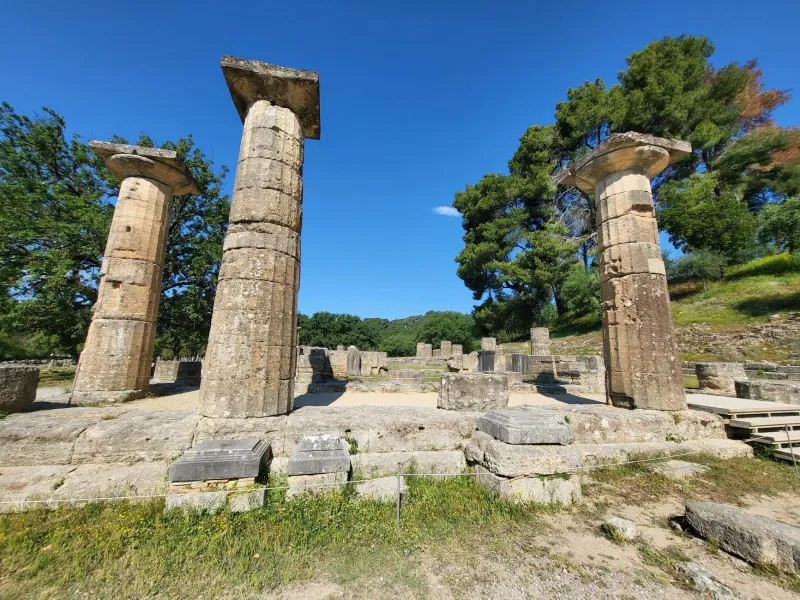
At Olympia, the most famous athletic site in the ancient world, athletes would arrive a full month before competition began. But here's the key difference from modern sports: many of these athletes had been training on the exact same ground for years. The sacred grove of Zeus wasn't just a competition venue—it was a year-round training destination where serious athletes relocated their entire lives.
This created something modern sports science is only beginning to understand: perfect environmental adaptation. These athletes knew every grain of sand in the track, every shadow cast by the surrounding trees, and exactly how the wind patterns changed throughout the day.
The Science Behind Sacred Ground
Modern research confirms what ancient Greeks practiced instinctively. Dr. Richard Schmidt's studies on motor learning show that athletes perform best when environmental variables remain consistent between training and competition. When everything from surface texture to ambient lighting matches what athletes experience daily, performance increases by measurable margins.
Ancient Greek athletes had this advantage built into their system. A runner training for the stadion race at Olympia would spend months, sometimes years, running the exact same 200-meter track where he would eventually compete for the olive crown. His body adapted not just to the distance, but to the specific banking of the turns, the firmness of the sand, even the way sound carried in that particular stadium.
Compare this to modern Olympic preparation, where athletes train in one location, compete at trials in another, then travel to a completely different venue for the Games themselves. Each environment requires physical and mental recalibration that ancient Greeks simply didn't face.
The Psychological Sanctuary
Beyond the physical advantages, ancient Greek training environments provided something even more valuable: psychological ownership. Athletes didn't visit their training facilities—they inhabited them. This created what sports psychologists now call "territorial confidence," a measurable boost in performance that comes from competing in familiar space.
American college football has stumbled onto this principle through necessity. Programs like Nebraska, with its legendary home-field advantage, or LSU, with its intimidating night games in Death Valley, have created environments where players feel psychological ownership. The difference is that college players only get this advantage for a few years, while ancient Greek athletes could develop it over decades.
 Photo: Death Valley, via cdn.britannica.com
The Greeks took this concept further by integrating spiritual elements. Training grounds were sacred spaces blessed by specific gods. Athletes weren't just physically preparing—they were building a spiritual connection to the ground where they would compete. This added a layer of confidence and purpose that modern sports psychology tries to replicate through visualization and mental training.
The Modern Rediscovery
American professional sports leagues are slowly recognizing what they've lost through neutral-site championships and extensive travel schedules. The NFL, despite generating billions in revenue, has seen a decline in home-field advantage over the past two decades. Players spend so much time traveling and playing in unfamiliar environments that they never develop the deep familiarity that ancient athletes took for granted.
Meanwhile, individual sports are moving back toward the Greek model. Elite marathon training groups now establish permanent bases in locations that mirror their goal races. Kenyan runners training for Boston spend months at altitude that matches the race's elevation changes. American swimmers preparing for international competition increasingly train in pools with identical specifications to their competition venues.
The most successful American Olympic training centers—like the U.S. Olympic Training Center in Colorado Springs—attempt to recreate the ancient Greek gymnasium model. Athletes live, train, and compete in the same environment for extended periods, developing the kind of environmental mastery that ancient Greeks considered essential.
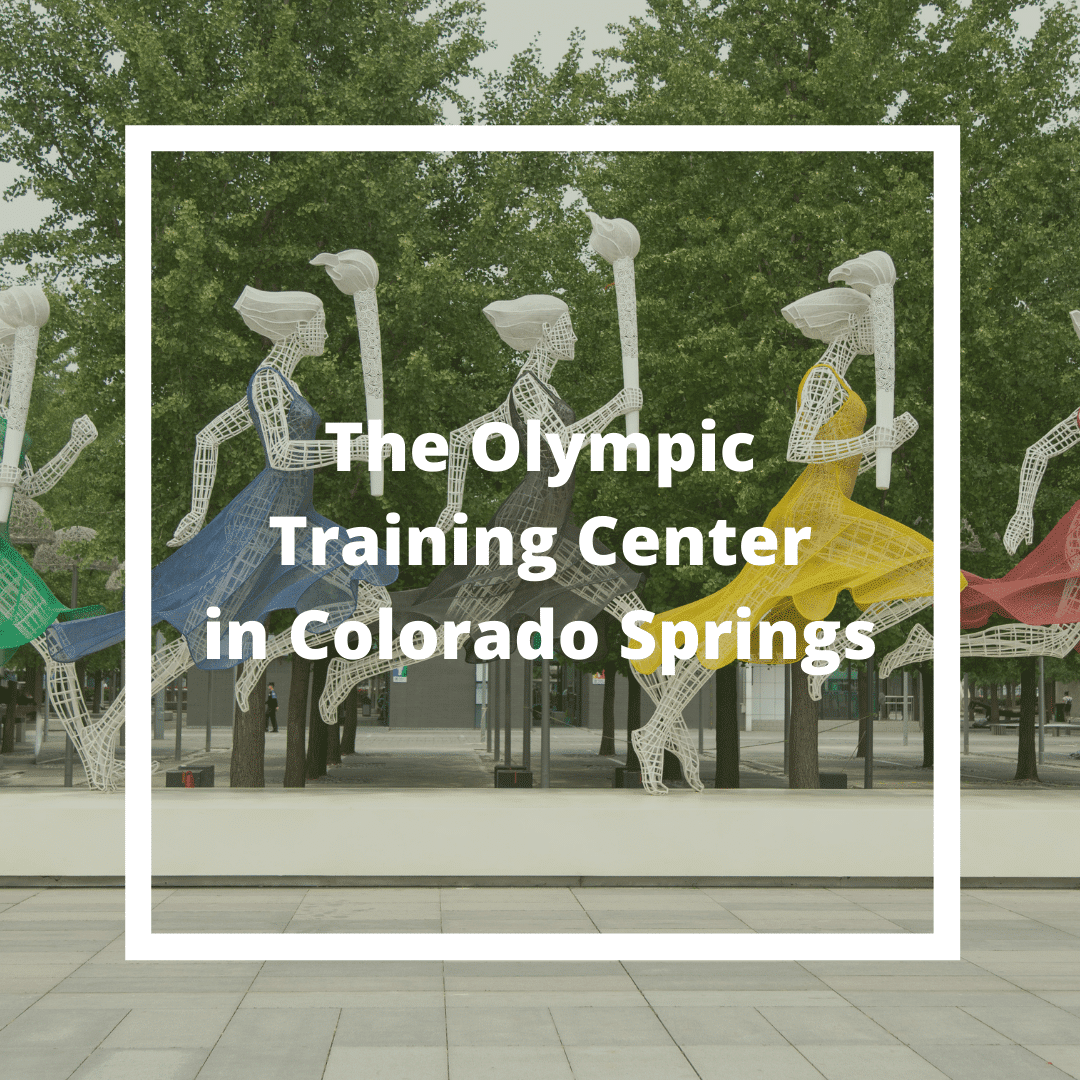 Photo: U.S. Olympic Training Center in Colorado Springs, via relocatingtocoloradosprings.com
The Cost of Constant Travel
Modern American athletes pay a hidden price for our travel-heavy competition system. Jet lag, unfamiliar food, different time zones, and constantly changing environments create what researchers call "adaptation fatigue." The body and mind are constantly adjusting instead of optimizing.
Ancient Greek athletes faced none of these challenges. They ate the same foods, slept in the same beds, and followed the same daily routines for months or years leading up to competition. When the moment arrived, they weren't adapting—they were performing in their natural habitat.
This is why modern Olympic villages, despite their luxury, often become sources of distraction and disruption rather than preparation. Athletes trained in one environment are suddenly dropped into a completely different social and physical setting just days before the most important competition of their lives.
Lessons in Sacred Preparation
The ancient Greek approach offers a blueprint that some American programs are beginning to follow. Rather than chasing the newest facilities or most exotic training locations, the most successful programs are creating consistency and familiarity.
The key insight from ancient Greece isn't that training and competition should happen in the same place—it's that athletes perform best when they can develop deep, intimate knowledge of their competitive environment. Whether that's a football field in Alabama, a swimming pool in California, or a track in Oregon, the principle remains the same.
Ancient Greeks understood that true competitive advantage comes not from superior facilities, but from superior familiarity. They didn't need to travel the world to find the best training—they made their training ground the best in the world through years of dedicated preparation.
In our modern rush to globalize competition and create neutral playing fields, we've forgotten what the Greeks knew: sometimes the best advantage is simply being home.