More Than Just Games
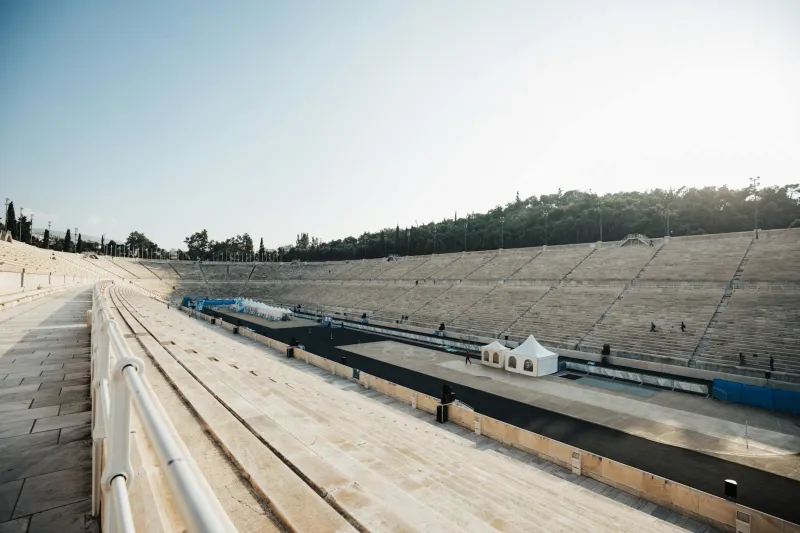
Walk into any American stadium on game day and you'll encounter a sensory overload: blaring music, elaborate ceremonies, vendors hawking everything from hot dogs to team merchandise, and crowds of 80,000 people creating an atmosphere unlike anywhere else on earth. What you're experiencing isn't a modern invention—it's the evolution of an entertainment formula that ancient Greece perfected over 2,000 years ago.
The ancient Olympics were never just about sport. They were a five-day cultural extravaganza that combined athletic competition with religious ceremony, artistic performance, and commercial activity in ways that would feel surprisingly familiar to anyone who's tailgated before a Cowboys game or witnessed a Super Bowl halftime show.
The Original Fan Experience
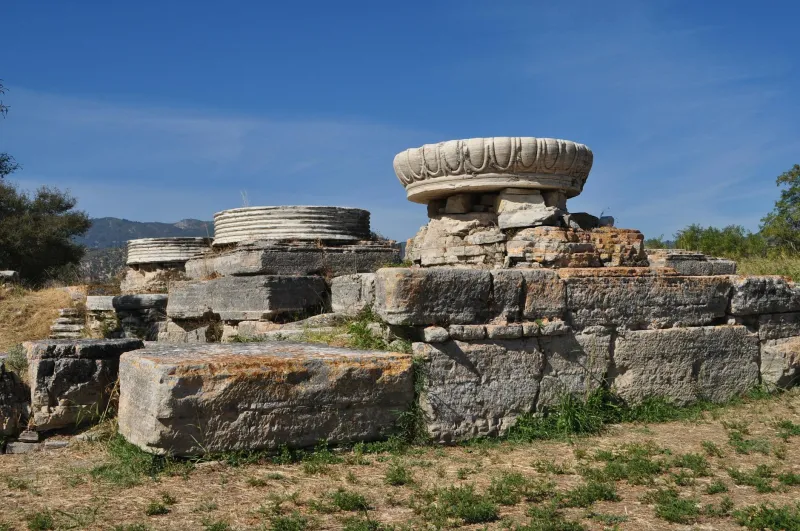
Olympia during the games was essentially ancient Greece's version of a Super Bowl city. Tens of thousands of spectators traveled from across the Mediterranean world, creating a temporary metropolis that rivaled Athens in size and energy. The similarities to modern American sports culture are striking.
Food vendors lined the approaches to the stadium, selling everything from honey cakes to roasted meat. Souvenir merchants hawked commemorative pottery and small bronze figurines—the ancient equivalent of team jerseys and bobbleheads. Temporary taverns sprouted up to serve the crowds, creating an atmosphere of celebration that lasted well beyond the actual competitions.
The crowds themselves were legendary. Ancient writers described the noise at Olympia as deafening, with spectators cheering for their hometown heroes with the same passion that fills modern American stadiums. They even had the ancient equivalent of trash talk, with rival city-states' supporters engaging in heated verbal exchanges that sound remarkably like modern sports rivalries.
Ceremony and Spectacle
The Greeks understood that great sporting events needed great opening ceremonies. The Olympic games began with elaborate religious rituals that combined athletic competition with spiritual significance. Athletes took solemn oaths, priests performed sacrifices, and the entire event was framed as a celebration of human excellence that honored the gods.
These ceremonies weren't just religious formalities—they were carefully choreographed spectacles designed to create emotional investment in the competition. The parade of athletes, the lighting of sacred fires, the musical performances—all of it was calculated to make spectators feel like they were witnessing something historically significant.
Sound familiar? The modern Olympic opening ceremony, with its elaborate pageantry and symbolic lighting of the Olympic flame, is a direct descendant of these ancient Greek innovations. And American sports have embraced this concept wholeheartedly, from the Super Bowl's increasingly elaborate halftime shows to the ceremonial first pitches and national anthems that frame our biggest games.
Entertainment Between Events
The Greeks also pioneered the concept of filling dead time with entertainment. Between athletic events, spectators were treated to performances by musicians, poets, and orators. Famous philosophers would give lectures, artists would display their latest works, and theatrical performances would keep the crowds engaged.
This wasn't just time-filling—it was strategic programming designed to keep spectators in their seats and maintain the festival atmosphere. Modern American sports have taken this concept and run with it, creating elaborate between-inning entertainment, halftime shows that rival Broadway productions, and stadium experiences that offer something for every member of the family.
The Business of Ancient Sport
Perhaps most remarkably, the ancient Greeks understood the commercial potential of major sporting events. Olympic victors became celebrities who could command appearance fees throughout the Mediterranean. City-states competed to host smaller competitions, understanding the economic benefits of attracting crowds of visitors.
Wealthy patrons sponsored athletes and events, creating early versions of corporate sponsorship. The most successful athletes built personal brands that extended far beyond their competitive careers, becoming coaches, trainers, and celebrity endorsers of everything from olive oil to athletic equipment.
Creating Lasting Memories
What the Greeks ultimately understood—and what American sports culture has perfected—is that people don't just attend sporting events to watch competition. They come for the experience, the community, the shared emotional journey that transforms individual spectators into a collective force.
The roar of the crowd, the pageantry of the ceremony, the drama of the competition—these elements combine to create memories that last lifetimes. Ancient Olympic victors were remembered not just for their athletic achievements but for the moments they created, the crowds they inspired, and the stories they generated.
The Enduring Formula
When we experience the controlled chaos of an American stadium on game day—the music, the food, the ceremonies, the collective energy of thousands of people united in support of their team—we're participating in a cultural tradition that stretches back to ancient Olympia.
The Greeks didn't just create competitive sport. They created the template for transforming athletic competition into shared cultural experience, turning individual achievement into community celebration, and proving that the greatest sporting events are about much more than just who crosses the finish line first.