The Original Selection Committee
Every March, millions of Americans gather around their screens to watch the NCAA Tournament Selection Committee reveal which 68 college basketball teams earned their shot at glory. The drama, the debates, the heartbreak of being left out—it's become as much a part of American sports culture as hot dogs and the seventh-inning stretch.
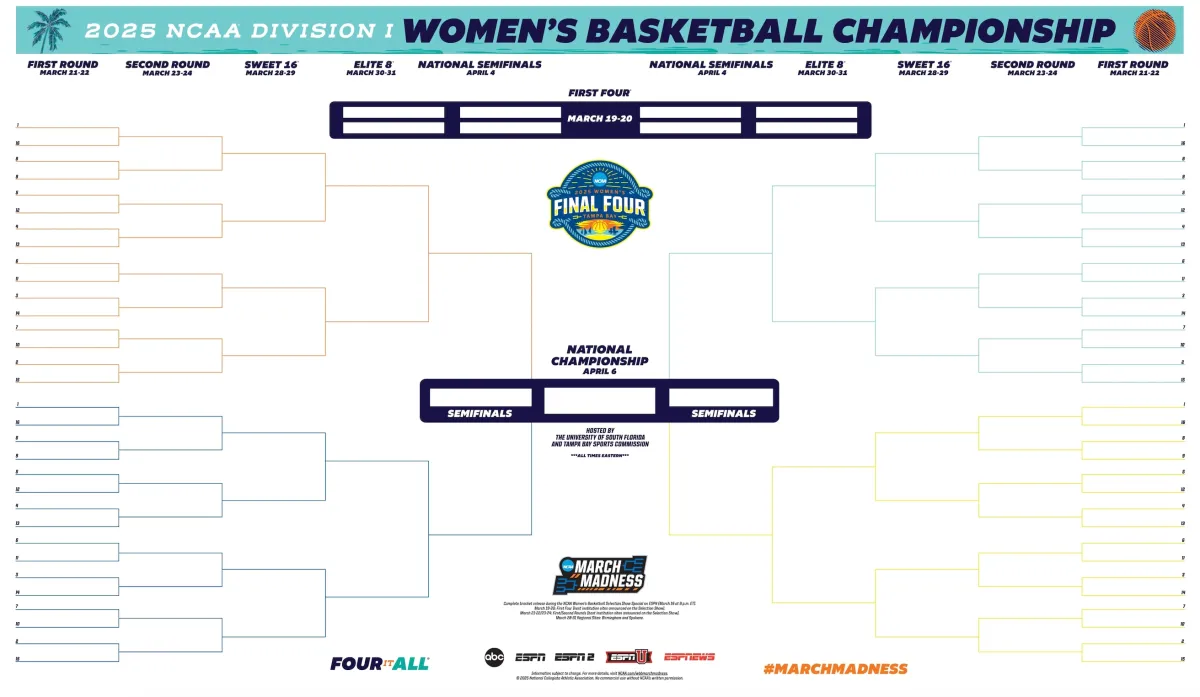 Photo: NCAA Tournament, via www.ncaa.com
But this whole concept of earning your way into competition? It's older than you think. Much older.
In ancient Olympia, around 776 BC, Greek organizers faced a problem that would sound familiar to any modern tournament director: too many athletes, not enough time, and the need to ensure only the best competed for the ultimate prize. Their solution laid the groundwork for every qualifying system, elimination bracket, and selection process in American athletics today.
When Everyone Wanted In
The early Olympic Games started simple—just a single footrace called the stadion. But as the games grew in prestige and more events were added, athletes from across the Greek world began making the pilgrimage to Olympia. By the 5th century BC, the organizers faced crowds that would make March Madness look manageable.
 Photo of Olympic Games, via Wikidata/Wikimedia Commons
Unlike today's Olympics, where countries send predetermined teams, the ancient games operated more like an open tournament. Any free-born Greek male could theoretically show up and declare his intention to compete. The challenge was separating the legitimate athletes from the dreamers.
The Greeks developed what they called the "proagon"—essentially the world's first qualifying rounds. Athletes had to arrive in Olympia a full month before the games began, not for media day or opening ceremonies, but to prove they belonged on the same field as the elite competitors.
The Ancient Combine
This month-long trial period functioned like a combination of the NFL Combine and March Madness selection weekend. Local judges, called Hellanodikai, put athletes through rigorous testing that went far beyond just physical ability.
First came the eligibility check—think of it as the ancient equivalent of verifying academic standing and amateur status. Athletes had to prove their Greek citizenship, demonstrate they'd trained for at least ten months, and swear they hadn't committed any crimes that would dishonor the games.
Then came the physical trials. Unlike modern qualifying standards based on times or distances, ancient judges evaluated athletes through head-to-head competition. Wrestlers grappled in elimination rounds. Runners raced in heats. Boxers sparred under careful supervision.
But here's where it gets interesting: the Greeks also factored in what we'd now call "intangibles." Judges considered an athlete's character, their training regimen, and even their potential to honor the gods through their performance. It wasn't enough to be fast or strong—you had to embody the Greek athletic ideal.
The Bracket Before Brackets
The elimination format that emerged from these trials created the template for every tournament structure Americans know and love. Athletes who survived the initial cuts were placed into organized competitions with clear advancement rules.
Take the ancient wrestling tournament. Competitors were paired off randomly (they drew lots from a silver urn), and winners advanced while losers went home. Sound familiar? It's the exact same single-elimination format that makes March Madness so compelling—and so brutal.
The Greeks even dealt with byes. If they had an odd number of wrestlers, one athlete would automatically advance to the next round, just like a #1 seed getting a first-round bye in the NCAA Tournament.
From Olympia to Selection Sunday
This Greek innovation—the idea that competition should determine who gets to compete—became the backbone of American sports culture. Every March Madness selection, every playoff format, every qualifying standard traces back to those ancient judges in Olympia who first asked: "Who has earned the right to compete for the ultimate prize?"
The parallels are striking. Just as the ancient Hellanodikai debated which athletes deserved their spot, modern selection committees argue over bubble teams and at-large bids. The same tension between objective criteria and subjective judgment that plagued ancient Olympic organizers still drives passionate debates every Selection Sunday.
Even the emotional stakes feel identical. Ancient Greek city-states invested enormous civic pride in their Olympic representatives, just as modern college towns live and die with their basketball teams' tournament hopes. Being excluded from the ancient Olympics brought the same crushing disappointment that devastates college programs left out of March Madness today.
Why It Still Matters
The next time you're filling out your March Madness bracket or watching the College Football Playoff selection show, remember: you're participating in a tradition that's nearly 3,000 years old. Those ancient Greeks who first wrestled with questions of fairness, merit, and opportunity created more than just a sporting event—they created the fundamental framework for how Americans think about competition itself.
Every buzzer-beater, every Cinderella story, every heartbreaking first-round upset carries the DNA of those original qualifying rounds in ancient Olympia. The Greeks understood something that still drives American sports today: the most meaningful victories are the ones you have to earn the right to pursue.